


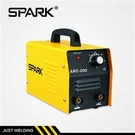


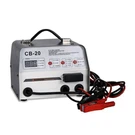
Hey there! As a supplier of MIG welding machines, I often get asked about the weight of a typical MIG welding machine. Well, it's not a one - size - fits - all answer, so let's dive right in and explore this topic.


First off, what exactly is a MIG welding machine? MIG stands for Metal Inert Gas welding. It's a popular welding process that uses a continuous solid wire electrode heated and fed into the weld pool from a welding gun. This method is known for its efficiency and versatility, making it a go - to choice for many welders, whether they're hobbyists or professionals.
Now, the weight of a MIG welding machine can vary widely depending on several factors. One of the biggest factors is the machine's power output. Generally speaking, the more powerful the MIG welding machine, the heavier it tends to be. A small, entry - level MIG welder designed for light - duty tasks like home repairs or small DIY projects might weigh around 10 - 20 pounds (4.5 - 9 kilograms). These machines are usually compact and easy to move around, which is great if you need to take your welder to different job sites or just store it in a small space.
On the other hand, industrial - grade MIG welding machines that are capable of handling heavy - duty welding jobs in factories or large construction sites can be much heavier. Some of these beasts can weigh upwards of 100 pounds (45 kilograms) or more. They're built with robust components to withstand long hours of continuous use and high - amperage welding.
Another factor that affects the weight is the type of components used in the machine. For example, machines with larger transformers or more advanced circuitry tend to be heavier. Transformers are used to convert the input power to the appropriate voltage and current for welding. A high - quality, large - capacity transformer can add a significant amount of weight to the machine.
Let's take a look at some of the specific models we offer as a supplier. The 1 kg Wire Welding Machine is a relatively lightweight option. It's designed for those who need a portable and easy - to - use welder for light - gauge metals. This machine weighs in at just around 15 pounds (6.8 kilograms), making it a great choice for small - scale projects or for welders on the go.
Then we have the Three PCB MOS MIG Welding Machine. This model offers more advanced features and a higher power output compared to the 1 kg wire welding machine. With its advanced printed circuit boards (PCBs) and MOSFET technology, it can handle a wider range of welding tasks. But this comes at a cost in terms of weight. It weighs approximately 35 pounds (15.9 kilograms), which is still manageable but heavier than the entry - level model.
Our Dual Pulse Welding Machine is a high - end option. Dual pulse technology allows for more precise control over the welding process, resulting in better - quality welds. This machine is designed for professional welders who demand the best performance. Due to its advanced features and larger power supply, it weighs about 50 pounds (22.7 kilograms).
When you're considering the weight of a MIG welding machine, you also need to think about how you'll be using it. If you're a professional welder who moves between different job sites frequently, a lighter machine might be more suitable. You don't want to be lugging around a heavy welder all day, especially if you have to climb ladders or work in tight spaces.
On the other hand, if you have a fixed workshop and need a machine for heavy - duty, continuous welding, the extra weight of a larger, more powerful machine might not be an issue. In fact, the stability provided by the heavier components can be an advantage when welding thick metals.
It's also important to consider the weight in relation to the portability features of the machine. Some MIG welding machines come with built - in handles or wheels, which can make it easier to move them around, even if they're relatively heavy. For example, our industrial - grade machines often have large, sturdy wheels and ergonomic handles to facilitate transportation.
In addition to the weight of the main welding machine, you also need to factor in the weight of the accessories. Things like the welding gun, wire feeder, and gas cylinder all add to the overall load. A standard gas cylinder for MIG welding can weigh anywhere from 20 to 50 pounds (9 to 22.7 kilograms), depending on its size.
So, as you can see, there's no single answer to the question of what the weight of a typical MIG welding machine is. It really depends on the machine's power, components, and intended use. Whether you're a beginner looking for a lightweight, easy - to - use machine or a professional in need of a heavy - duty workhorse, we have a range of options to suit your needs.
If you're interested in learning more about our MIG welding machines or have any questions about their weight, features, or performance, don't hesitate to reach out. We're here to help you find the perfect welding solution for your projects. Whether you're a DIY enthusiast or a large - scale industrial operation, we can provide you with the right machine at the right price. Contact us to start the procurement discussion and take your welding projects to the next level.
References
- Welding Handbook, American Welding Society
- Industrial Welding Technology Manuals