




Hey there! As a supplier of Three PCB MIG Welding Machines, I'm super excited to break down the mechanical structure of these bad boys for you. Let's dive right in!
Overall Look and Basic Parts
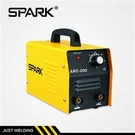
First off, when you see a Three PCB MIG Welding Machine, it's got a sturdy and compact design. It's built to last in all sorts of welding environments, whether it's a small workshop or a big industrial site.
The Main Chassis
The main chassis is like the backbone of the machine. It's made of high - quality metal, usually steel or aluminum alloy. This gives it the strength to hold all the internal components together and also provides protection against impacts and vibrations. You know, when you're working on a job site, things can get a bit rough, and the chassis keeps everything safe inside.
The Control Panel
The control panel is where you get to play around with the settings. It's got a bunch of buttons, knobs, and sometimes a digital display. With these, you can adjust things like the welding current, voltage, and wire feed speed. It's like having a mini - control center in your hands. For example, if you're welding a thin piece of metal, you can lower the current and voltage to get a nice, clean weld. And if you're dealing with a thicker material, you can crank up those settings.
The Wire Feeder
The wire feeder is a crucial part. It's responsible for feeding the welding wire at a consistent speed into the welding torch. Inside the wire feeder, there are rollers that grip the wire and move it forward. You can adjust the wire feed speed on the control panel, and the feeder will do its job accordingly. A good wire feeder ensures a smooth and continuous welding process. If the wire feed is too fast or too slow, it can mess up your weld.
The Welding Torch
The welding torch is what you hold in your hand and use to actually do the welding. It's connected to the machine by a cable that supplies the welding current, shielding gas, and the welding wire. The torch has a nozzle at the end where the wire comes out and the arc is formed. It also has a trigger that you press to start and stop the welding process. There are different types of welding torches available, depending on the specific requirements of the job.
The Three PCB Setup
Now, let's talk about the three PCBs (Printed Circuit Boards) that give this machine its name.
Power PCB
The power PCB is like the power - house of the machine. It's responsible for converting the input power from the electrical outlet into the right kind of power for welding. It takes the AC power and converts it into DC power with the right voltage and current levels. This PCB has a bunch of electronic components like transformers, rectifiers, and capacitors. These components work together to ensure a stable and reliable power supply for the welding process. Without a good power PCB, the machine wouldn't be able to create a strong and consistent arc.
Control PCB
The control PCB is in charge of all the settings and functions of the machine. It receives the input from the control panel and sends the appropriate signals to the other parts of the machine. For example, when you adjust the wire feed speed on the control panel, the control PCB sends a signal to the wire feeder to change the speed. It also monitors the welding process and can make adjustments automatically if needed. This helps to ensure a high - quality weld every time.
Protection PCB
The protection PCB is there to keep the machine safe. It has sensors that monitor things like over - current, over - voltage, and over - temperature. If any of these conditions occur, the protection PCB will shut down the machine or take other protective measures. This is really important because it prevents damage to the machine and also keeps the operator safe. For example, if the machine overheats due to continuous use, the protection PCB will turn off the power to prevent any further damage.
Gas Supply System
Another important part of the mechanical structure is the gas supply system. MIG welding uses a shielding gas to protect the weld from contamination. The gas is usually a mixture of argon and carbon dioxide.
Gas Cylinder
The gas cylinder is where the shielding gas is stored. It's a high - pressure container that needs to be handled with care. You need to make sure that the cylinder is properly secured and that the gas valve is turned on when you're ready to weld.
Gas Regulator
The gas regulator is connected to the gas cylinder and the welding machine. It controls the flow rate of the gas. You can adjust the gas flow on the regulator to make sure that you're getting the right amount of shielding gas for the welding process. If the gas flow is too low, the weld can be contaminated, and if it's too high, it can be a waste of gas.
Gas Hose
The gas hose connects the gas regulator to the welding torch. It's a flexible tube that allows the gas to flow from the regulator to the torch. The hose needs to be in good condition to prevent any gas leaks.


Cooling System
Welding machines generate a lot of heat, especially when they're used for long periods. That's why a cooling system is necessary.
Fans
Most Three PCB MIG Welding Machines have fans to cool down the internal components. The fans blow air over the PCBs and other heat - generating parts to dissipate the heat. They run continuously when the machine is turned on to keep the temperature under control.
Heat Sinks
Heat sinks are also used in the machine. They're made of metal and are attached to components that generate a lot of heat, like the power transistors on the power PCB. The heat sinks absorb the heat and transfer it to the surrounding air, helping to keep the components cool.
Why Choose Our Three PCB MIG Welding Machines?
Our machines are top - notch. They're built with high - quality components that ensure reliability and durability. The three - PCB design provides better control and protection, which means you'll get consistent and high - quality welds every time.
We also offer a range of different models to suit your specific needs. For example, if you're looking for a Multifunction MIG Welding Machine, we've got you covered. It can handle different types of welding tasks with ease. And if you need a machine that can handle a 15kg wire, check out our Three PCB 15kg Wire MIG Welding Machine. It's perfect for large - scale welding jobs. We even have a Dual Pulse Welding Machine that gives you more control over the welding process and can produce even better - looking welds.
Let's Talk Business
If you're in the market for a high - quality Three PCB MIG Welding Machine, I'd love to have a chat with you. Whether you're a small - time welder or a big industrial company, we've got the right machine for you. Just reach out to us, and we can discuss your requirements, answer your questions, and give you a great deal. Don't miss out on the opportunity to upgrade your welding equipment with our top - of - the - line machines.
References
- Welding Handbook, American Welding Society
- Principles of Welding Technology, John Wiley & Sons