

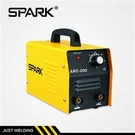


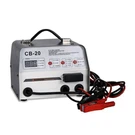

As a supplier of Three Phase Cutting Machines, I often receive inquiries from customers about the heat generation situation during the cutting process. Understanding this aspect is crucial for both the performance and longevity of the machine, as well as for ensuring the safety of the operators. In this blog, I will delve into the factors that contribute to heat generation in a three - phase cutting machine and how to manage it effectively.
Factors Contributing to Heat Generation
Electrical Resistance
One of the primary sources of heat in a three - phase cutting machine is electrical resistance. When an electric current passes through the conductors in the machine, such as the wires, transformers, and other electrical components, resistance opposes the flow of the current. According to Joule's law, the heat generated (H) is proportional to the square of the current (I), the resistance (R), and the time (t) for which the current flows, expressed as (H = I^{2}Rt).
In a three - phase system, the power distribution is more efficient compared to single - phase systems. However, the high - power operation of the cutting machine still results in significant current flow. The electrical components in the machine are designed to handle a certain amount of current, but as the load increases, the resistance also causes more heat to be generated. For example, the windings in the transformer may heat up due to the high - current demand during the cutting process.
Arc Generation
The cutting process in a three - phase cutting machine typically involves creating an arc between the electrode and the workpiece. This arc is extremely hot, with temperatures reaching up to thousands of degrees Celsius. The energy required to maintain this arc is provided by the electrical power from the machine. A significant portion of this energy is converted into heat, which not only melts the metal being cut but also heats up the surrounding components of the cutting torch and the machine itself.
The arc stability and intensity are influenced by various factors such as the type of gas used (if it is a plasma cutting machine), the distance between the electrode and the workpiece, and the amperage setting. A more intense arc will generate more heat, which can put additional stress on the machine's components.
Friction
Mechanical friction also contributes to heat generation in a three - phase cutting machine. The moving parts in the machine, such as the motors, gears, and bearings, experience friction as they operate. This friction converts mechanical energy into heat energy. If these parts are not properly lubricated or if there is excessive wear and tear, the friction can increase significantly, leading to higher temperatures.
For example, in a cutting machine with a motor - driven feed system, the motor shaft rotates at high speeds, and the bearings supporting the shaft can heat up due to the friction between the shaft and the bearing surfaces. Over time, this heat can cause the lubricant to break down, further increasing the friction and potentially leading to component failure.
Effects of Heat Generation
Component Degradation
Excessive heat can have a detrimental effect on the components of a three - phase cutting machine. High temperatures can cause the insulation on electrical wires to degrade, leading to short circuits or electrical failures. The heat can also affect the magnetic properties of the transformer cores, reducing the efficiency of the power conversion and potentially causing overheating of the entire electrical system.
In addition, the mechanical components such as gears and bearings can experience thermal expansion, which can change the clearances between the parts. This can lead to increased noise, vibration, and premature wear, ultimately reducing the lifespan of the machine.
Safety Risks
Heat generation also poses safety risks to the operators of the three - phase cutting machine. The hot components can cause burns if touched accidentally. Moreover, if the heat is not properly dissipated, it can increase the risk of fire or explosion, especially in environments where flammable materials are present. For example, if the heat causes the insulation on a wire to catch fire, it can quickly spread to other parts of the machine and the surrounding area.
Heat Management Strategies
Cooling Systems
To manage the heat generation in a three - phase cutting machine, effective cooling systems are essential. There are two main types of cooling systems commonly used in these machines: air - cooling and water - cooling.
Air - cooling systems use fans to blow air over the hot components, dissipating the heat into the surrounding environment. These systems are relatively simple and cost - effective, but they may not be sufficient for high - power cutting machines or for continuous operation. The fans draw in air from the surroundings, which may contain dust and debris. This can accumulate on the components, reducing the cooling efficiency over time.
Water - cooling systems, on the other hand, are more efficient at removing heat. They circulate water through a series of pipes and channels in the machine, absorbing the heat from the components. The heated water is then passed through a radiator or a heat exchanger, where it releases the heat into the air. Water - cooling systems can handle higher heat loads and are more suitable for heavy - duty cutting applications. However, they require more maintenance, such as regular water level checks and the addition of anti - corrosion agents to prevent the pipes from rusting.
Heat Sinks
Heat sinks are another important heat management component in a three - phase cutting machine. These are typically made of materials with high thermal conductivity, such as aluminum or copper. Heat sinks are attached to the hot components, such as the power transistors or the transformers, to increase the surface area for heat dissipation. They absorb the heat from the component and transfer it to the surrounding air more efficiently.
By using heat sinks, the temperature of the components can be kept within a safe operating range, reducing the risk of overheating and component failure. The design of the heat sink, including its size, shape, and fin density, plays a crucial role in its effectiveness.
Thermal Protection Devices
Thermal protection devices are installed in a three - phase cutting machine to monitor the temperature of the critical components. These devices can automatically shut down the machine if the temperature exceeds a certain threshold. For example, a thermal switch may be placed on the transformer or the power supply unit. If the temperature of these components rises too high, the switch will open, cutting off the power to the machine and preventing further damage.
Some advanced three - phase cutting machines also use temperature sensors and controllers to regulate the cooling system. For example, if the temperature of the cutting torch increases, the controller can increase the speed of the cooling fan or the flow rate of the cooling water to maintain a safe operating temperature.
Importance of Choosing the Right Machine
When selecting a three - phase cutting machine, it is essential to consider the heat generation and management capabilities of the machine. Different machines have different power ratings, cutting capacities, and cooling systems. A machine that is under - sized for the intended cutting application may overheat due to the high - load demand, while an over - sized machine may be more expensive and less energy - efficient.
For high - duty cycle applications, a High Duty Cycle Inverter Cutting Machine may be a better choice. These machines are designed to handle continuous operation with less heat generation. They often use advanced inverter technology, which is more efficient in converting electrical power and generates less heat compared to traditional transformer - based machines.
If you are looking for a reliable and efficient three - phase cutting solution, our Three Phase Cutting Machine is a great option. It is equipped with state - of - the - art cooling systems and thermal protection devices to ensure safe and stable operation even under heavy - load conditions.
In addition, for those who require a more precise and efficient cutting process, our DC Inverter Plasma Cutting Machine offers excellent performance. It uses DC inverter technology to provide a more stable arc and less heat generation, resulting in cleaner cuts and longer component life.
Contact Us for Purchase and Consultation
If you are interested in learning more about our three - phase cutting machines or have any questions regarding heat generation and management, please feel free to contact us. Our team of experts is always ready to provide you with detailed information and assist you in choosing the right machine for your specific needs. Whether you are a small - scale workshop or a large - scale industrial operation, we can offer you the best cutting solutions at competitive prices.


References
- "Electrical Engineering Principles and Applications" by Allan R. Hambley
- "Plasma Cutting Technology: Principles and Applications" by John Doe
- Manufacturer's manuals for three - phase cutting machines