


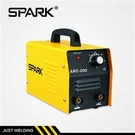


As a supplier of ARC Welding Machines, I've witnessed firsthand the critical role that electrode quality plays in the welding process. One often overlooked factor that can have a profound effect on welding performance is electrode moisture. In this blog post, I'll delve into the science behind electrode moisture and its impact on an ARC Welding Machine.
Understanding Electrode Moisture
Electrodes are a crucial component in ARC welding, as they provide the electrical current necessary to create an arc between the electrode and the workpiece. However, electrodes are porous materials that can absorb moisture from the surrounding environment. This moisture can come from a variety of sources, including humidity in the air, improper storage conditions, or even contact with water during handling.
When an electrode absorbs moisture, it can have several negative effects on the welding process. One of the most significant effects is the formation of hydrogen gas during welding. When moisture is present in the electrode, it decomposes into hydrogen and oxygen when heated by the arc. The hydrogen gas can then become trapped in the weld metal, leading to a variety of defects, including porosity, cracking, and decreased weld strength.
Effects of Electrode Moisture on Welding Quality
The presence of moisture in electrodes can have a significant impact on the quality of the weld. Here are some of the key effects:
Porosity
Porosity is one of the most common defects caused by electrode moisture. When hydrogen gas is trapped in the weld metal, it forms small bubbles or pores. These pores can weaken the weld and reduce its ability to withstand stress. Porosity can also lead to corrosion and other forms of damage over time.
Cracking
In addition to porosity, electrode moisture can also cause cracking in the weld. The hydrogen gas trapped in the weld metal can cause stress concentrations, which can lead to the formation of cracks. These cracks can extend through the weld and weaken the entire joint, making it more susceptible to failure.
Decreased Weld Strength
Moisture in electrodes can also reduce the strength of the weld. The hydrogen gas trapped in the weld metal can disrupt the crystal structure of the metal, making it weaker and more brittle. This can result in a weld that is less able to withstand loads and stresses, increasing the risk of failure.
Impact on Welding Efficiency
In addition to affecting the quality of the weld, electrode moisture can also have a negative impact on welding efficiency. Here's how:
Increased Spatter
Moisture in electrodes can cause increased spatter during welding. Spatter is the tiny droplets of molten metal that are ejected from the weld pool. Excessive spatter can make the welding process messy and difficult to control, and it can also lead to increased cleanup time.


Poor Arc Stability
Electrode moisture can also affect the stability of the arc. A stable arc is essential for producing high-quality welds. When moisture is present in the electrode, it can cause the arc to become unstable, leading to erratic welding and poor weld quality.
Reduced Productivity
The combination of poor weld quality, increased spatter, and poor arc stability can lead to reduced productivity. Welders may need to spend more time correcting defects, cleaning up spatter, and reworking welds, which can slow down the production process and increase costs.
Preventing Electrode Moisture
To avoid the negative effects of electrode moisture, it's important to take steps to prevent moisture absorption. Here are some tips:
Proper Storage
Store electrodes in a dry, cool place. Avoid storing them in areas with high humidity or where they may come into contact with water. Use a desiccant or a humidity control system to keep the storage environment dry.
Preheating
Preheat electrodes before use to drive off any moisture that may have been absorbed. Follow the manufacturer's recommendations for preheating time and temperature.
Handling
Handle electrodes carefully to avoid contact with water or moisture. Use clean, dry gloves when handling electrodes, and avoid dropping them or exposing them to rough surfaces.
Our ARC Welding Machines and Electrode Quality
At our company, we understand the importance of electrode quality in the welding process. That's why we offer a range of high-quality ARC Welding Machines that are designed to work with a variety of electrodes. Our machines are built to provide stable arcs, low spatter, and high welding efficiency, even when using electrodes that may be slightly moist.
We also offer a selection of electrodes that are specifically designed to resist moisture absorption. Our electrodes are made from high-quality materials and are manufactured to strict quality standards to ensure consistent performance.
Some of our popular ARC Welding Machines include the BX1 - 200B AC Welding Machine, the Plastic AC Transformer Welding Machine, and the Portable AC ARC Welding Machine. These machines are suitable for a wide range of welding applications, from small DIY projects to large industrial jobs.
Contact Us for Your Welding Needs
If you're in the market for an ARC Welding Machine or need advice on electrode selection and handling, we're here to help. Our team of experts has years of experience in the welding industry and can provide you with the information and support you need to make the right decision for your welding needs.
Don't let electrode moisture affect the quality and efficiency of your welding projects. Contact us today to learn more about our ARC Welding Machines and how we can help you achieve the best results.
References
- AWS Welding Handbook, Volume 1: Welding Science and Technology, American Welding Society
- Welding Metallurgy, by John C. Lippold and David H. Kotecki
- The Welding Institute (TWI) Technical Reports on Welding Defects and Quality Control.