





As a reputable supplier of 6V/12V/24V battery chargers, I've witnessed firsthand the confusion that often surrounds the choice between manual and automatic chargers. In this blog post, I'll delve into the key differences between these two types of chargers, helping you make an informed decision for your specific needs.
Understanding the Basics
Before we explore the differences, let's briefly understand what 6V, 12V, and 24V battery chargers are. These chargers are designed to replenish the energy in batteries of different voltage ratings. A 6V charger is typically used for small batteries like those in toys or some older motorcycles. A 12V charger is the most common and is used for cars, boats, and many other vehicles. A 24V charger is used for larger applications such as industrial equipment and some heavy - duty vehicles.
Manual Battery Chargers
Manual battery chargers are the more traditional type. They require the user to have a good understanding of the battery's charging requirements and to actively monitor the charging process.

1. Charging Process
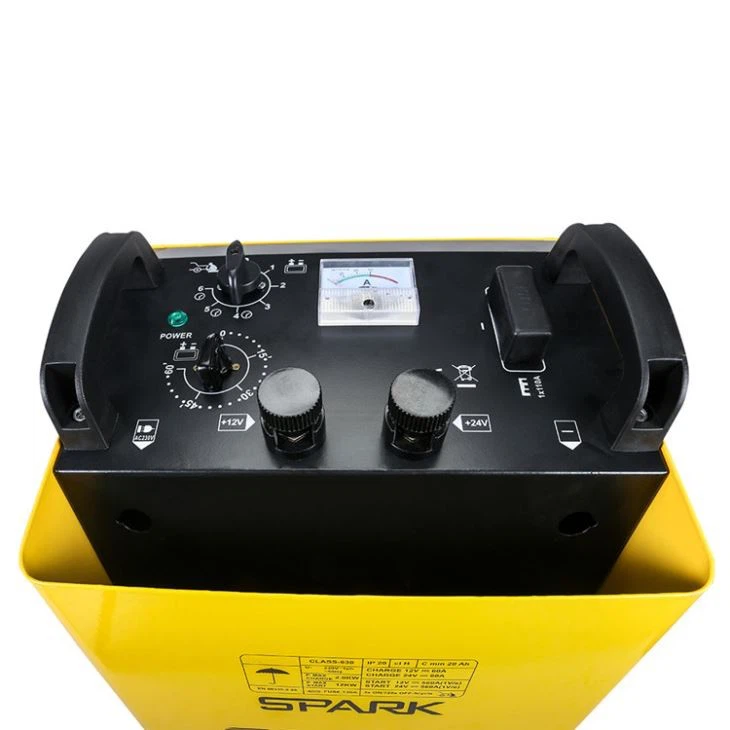
When using a manual charger, you need to set the charging current and voltage according to the battery's specifications. For example, if you're charging a 12V car battery, you'll need to ensure that the charger is set to the appropriate 12V output and select a suitable charging current. This current selection is crucial as over - charging can damage the battery, while under - charging won't fully restore the battery's capacity.
2. Monitoring
One of the biggest drawbacks of manual chargers is the need for constant monitoring. You have to keep an eye on the battery's state of charge, often using a hydrometer or a voltmeter to check the battery's voltage. Once the battery reaches a full charge, you must immediately stop the charging process. Failure to do so can lead to over - charging, which can cause the battery to overheat, release harmful gases, and ultimately reduce its lifespan.
3. Cost
Manual chargers are generally less expensive than their automatic counterparts. They have a simpler design and fewer electronic components, which makes them more budget - friendly. If you're on a tight budget and have some experience with battery charging, a manual charger can be a cost - effective option.
4. Suitability
Manual chargers are suitable for users who are experienced with battery maintenance and have the time to monitor the charging process. They are also a good choice for charging older batteries that may have different charging requirements or for charging multiple batteries in sequence.
Automatic Battery Chargers
Automatic battery chargers, on the other hand, are designed to simplify the charging process and provide a more hands - off approach.
1. Charging Process
An automatic charger is equipped with advanced electronics that can detect the battery's state of charge and adjust the charging current and voltage accordingly. When you connect the charger to the battery, it will first assess the battery's condition and then start the charging process at an appropriate rate. As the battery approaches a full charge, the charger will automatically reduce the charging current to prevent over - charging.
2. Monitoring
With an automatic charger, you don't need to constantly monitor the charging process. Once you connect the charger to the battery, you can simply leave it to do its job. The charger will automatically stop charging when the battery is fully charged, providing peace of mind and protecting the battery from damage.
3. Cost
Automatic chargers are generally more expensive than manual chargers due to their advanced electronics and intelligent charging algorithms. However, the added convenience and protection they offer can be well worth the extra cost, especially if you're not experienced with battery charging or if you want to ensure the longevity of your batteries.
4. Suitability
Automatic chargers are ideal for novice users who have little experience with battery maintenance. They are also suitable for busy individuals who don't have the time to monitor the charging process. Additionally, automatic chargers are a great choice for modern batteries that require precise charging to maintain their performance and lifespan.
Key Differences Summarized
- User Involvement: Manual chargers require active user involvement in setting the charging parameters and monitoring the process, while automatic chargers are largely hands - off.
- Safety: Automatic chargers offer better protection against over - charging and other charging - related issues, reducing the risk of battery damage. Manual chargers rely on the user's knowledge and vigilance to prevent such problems.
- Cost: Manual chargers are more affordable, while automatic chargers come with a higher price tag but offer greater convenience and protection.
- Suitability: Manual chargers are suitable for experienced users and those on a budget, while automatic chargers are ideal for novice users and those who value convenience.
Our Product Range
As a 6V/12V/24V battery charger supplier, we offer a wide range of both manual and automatic chargers to meet different customer needs.
- Mini Charger For Motobike Battery: This compact charger is perfect for charging small 6V or 12V motorcycle batteries. It's available in both manual and automatic versions, allowing you to choose according to your preference.
- Digital Universal Battery Charger: Our digital universal charger can handle 6V, 12V, and 24V batteries. It features an automatic charging mode that ensures safe and efficient charging for a variety of battery types.
- Movable Heavy Charger with Wheel: This heavy - duty charger is designed for large 24V batteries used in industrial equipment. It's available in both manual and automatic models, providing flexibility for different charging requirements.
Conclusion
In conclusion, the choice between a manual and automatic 6V/12V/24V battery charger depends on your experience, budget, and specific charging needs. If you're an experienced user with the time to monitor the charging process and want to save some money, a manual charger may be the right choice. However, if you're a novice or value convenience and battery protection, an automatic charger is recommended.
If you're interested in purchasing any of our battery chargers or have questions about which charger is best for your application, we encourage you to contact us for a detailed discussion. Our team of experts is ready to assist you in making the right decision for your battery charging needs.
References
- Battery University: A comprehensive resource for battery - related knowledge and information.
- Automotive Service Excellence (ASE) materials: Provide in - depth information on battery charging and maintenance in the automotive industry.