




Let's dive right into the nitty - gritty of chargers and starters. As a supplier of Charger And Starter products, I've seen firsthand how these two components are often mixed up. But trust me, they serve very different purposes in the world of batteries and electrical systems.
What is a Charger?
A charger is like a personal energy - booster for your batteries. Its main job is to replenish the electrical energy that a battery has lost. You know how your phone battery runs out after a long day of scrolling through social media, taking pictures, and making calls? That's when you plug it into a charger. The charger sends an electrical current into the battery, and the battery stores that energy for later use.
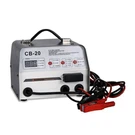
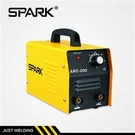
There are all kinds of chargers out there. For instance, we've got the Spark Design Battery Charger. This charger is not only functional but also has a cool, eye - catching design. It's great for charging small to medium - sized batteries, like those in your power tools or remote - controlled toys.
Then there's the Portable Charger with Handle. As the name suggests, it's super portable. You can carry it around in your car or take it on a camping trip. It's perfect for charging your phone or other small electronic devices when you're on the go.
Another type is the Multifunctional Charger with Charging State. This charger can handle different types of batteries, and it even shows you the charging state. So, you always know how much charge your battery has and when it'll be fully charged.
The Digital Universal Battery Charger is also amazing. It can charge a wide range of battery types, from AA and AAA to larger ones. It uses digital technology to ensure a safe and efficient charging process.
Chargers work in several ways. Some use a constant - current mode at the beginning of the charging process. This means they send a steady stream of electricity into the battery. As the battery starts to get full, the charger might switch to a constant - voltage mode to prevent overcharging. Think of it like filling a glass of water. First, you pour the water quickly (constant current), but as the glass gets close to the brim, you pour more slowly (constant voltage) to avoid spilling.

What is a Starter?
On the other hand, a starter is a key player when it comes to getting an engine up and running. Most of the time, we're talking about car engines here. When you turn the key in your car's ignition, the starter motor gets a jolt of electricity from the battery. This motor then spins the engine's flywheel, which in turn starts the engine's combustion process.
A starter is a high - power device. It needs to be able to generate enough torque to turn the engine over, even when the engine is cold and the oil is thick. It's like the person who gives a big push to start a heavy cart rolling.
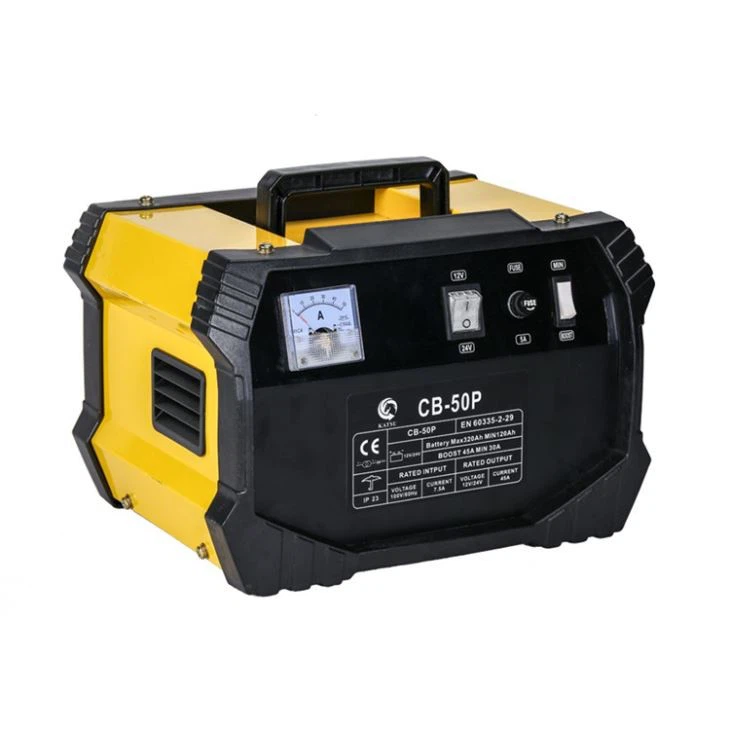
Our Industrial Charger and Starter is a great example in the industrial setting. It's built to handle the high - power demands of industrial engines, like those in big trucks, construction equipment, or generators. These starters need to be robust and reliable because in an industrial environment, a breakdown can mean a lot of lost time and money.
Key Differences between Chargers and Starters
- Function: The most obvious difference is their function. Chargers are all about re - energizing batteries, while starters are focused on initiating the engine - starting process. You can think of a charger as a battery's "re - fueler" and a starter as the engine's "kick - starter."
- Power Requirements: Chargers generally operate at lower power levels compared to starters. Chargers are designed to slowly and steadily charge a battery, so they don't need a huge amount of power at once. Starters, however, need a large burst of power to turn the engine over quickly. It's like the difference between a small garden hose that fills a bucket slowly and a fire hose that releases a huge amount of water quickly.
- Usage Frequency: Chargers are used whenever a battery runs low on charge. You might charge your phone every night or your laptop once a day. Starters, on the other hand, are used only when you want to start an engine. So, if you're using your car every day, you'll use the starter once in the morning and maybe again in the evening when you go out again.
- Design Complexity: Chargers can have various levels of complexity depending on the type of battery they're designed for. Some simple chargers are just basic circuits, while others, like the digital ones, have advanced microprocessors to control the charging process. Starters, on the other hand, are more mechanically complex. They have a motor, gears, and a solenoid to engage the flywheel.
Why It Matters to You
As a consumer or a business owner, understanding the difference between chargers and starters can save you a lot of hassle. If your car won't start, it could be a problem with the starter. But if your battery is dead, then you need a charger. You don't want to waste time and money trying to fix the wrong thing.
For businesses, especially those in industries that rely on heavy machinery, having the right chargers and starters is crucial. A faulty charger can lead to under - charged batteries, which can cause equipment to malfunction. And a bad starter can leave your machinery sitting idle, costing you production time and revenue.
Contact Us for Procurement
Whether you're in the market for a new charger for your personal electronics or a high - powered starter for your industrial equipment, we're here to help. We've got a wide range of chargers and starters to meet your needs. Are you tired of dealing with unreliable chargers or starters that break down too often? We offer quality products that are built to last.
If you're interested in discussing your procurement needs, simply reach out. We're happy to talk about the best options for you and provide you with a quote. Don't let sub - par chargers or starters slow you down. Let's get your batteries charged and your engines running smoothly!
References
- Basic Electrical Engineering textbooks
- Automotive maintenance guides
- Industrial equipment manuals