




Hey there! As a supplier of the Three PCB MIG Welding Machine, I'm super stoked to dive into the topic of its cooling method. Welding machines are like the unsung heroes in the manufacturing and construction worlds, and keeping them cool is crucial for their performance and longevity.
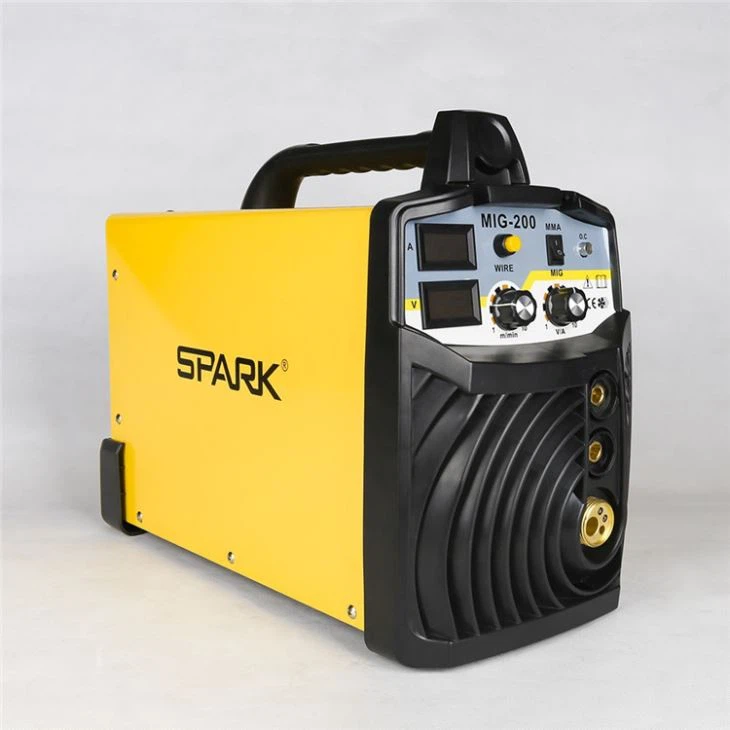
Let's start with the basics. A Three PCB MIG Welding Machine is a powerful tool that uses a shielding gas to protect the weld pool from atmospheric contamination. It's a popular choice for both professionals and hobbyists because of its versatility and efficiency. But with great power comes great heat, and that's where the cooling method comes in.
There are two main types of cooling methods for welding machines: air cooling and water cooling. Each has its own pros and cons, and understanding them can help you make an informed decision when choosing a welding machine.
Air Cooling
Air cooling is the most common method used in welding machines, including the Three PCB MIG Welding Machine. It's simple, reliable, and cost-effective. Here's how it works:
The machine has a built-in fan that draws in cool air from the surroundings. This air is then circulated through the internal components of the machine, absorbing the heat generated during the welding process. The heated air is then expelled out of the machine through ventilation holes.
One of the biggest advantages of air cooling is its simplicity. There are no complex water circuits or pumps to worry about, which means less maintenance and fewer potential points of failure. It's also lightweight and portable, making it a great choice for on-site welding jobs.
However, air cooling does have its limitations. It's not as efficient as water cooling, especially in high-temperature environments or during long periods of continuous welding. The cooling capacity of air is limited, and if the machine gets too hot, it may need to be shut down to prevent damage.
Water Cooling
Water cooling is a more advanced and efficient method of cooling welding machines. It uses a closed-loop system to circulate water through the internal components of the machine, absorbing the heat and transferring it to a radiator or heat exchanger.
The water is pumped through a series of tubes and channels that are in direct contact with the hot components of the machine. As the water absorbs the heat, it becomes warmer and is then sent to the radiator, where it is cooled by a fan or a water-to-air heat exchanger. The cooled water is then recirculated back to the machine to continue the cooling process.
One of the main advantages of water cooling is its high efficiency. Water has a much higher heat capacity than air, which means it can absorb more heat and transfer it away from the machine more effectively. This allows the machine to operate at higher power levels for longer periods of time without overheating.
Another advantage of water cooling is its ability to maintain a more stable temperature. The closed-loop system ensures that the water temperature remains relatively constant, which helps to prevent thermal stress and damage to the internal components of the machine.
However, water cooling also has its drawbacks. It's more complex and expensive than air cooling, and it requires regular maintenance to ensure that the water circuit is clean and free of debris. It's also heavier and less portable, which may not be suitable for all applications.
Which Cooling Method is Right for You?
The choice between air cooling and water cooling depends on several factors, including your welding needs, the environment in which you'll be using the machine, and your budget.
If you're a hobbyist or a casual welder who only uses the machine occasionally, air cooling is probably the best choice for you. It's simple, affordable, and easy to maintain. You can also find air-cooled Three PCB MIG Welding Machines that are powerful enough to handle most small to medium-sized welding jobs.

On the other hand, if you're a professional welder who works in a high-temperature environment or needs to weld for long periods of time, water cooling may be a better option. It offers better performance and reliability, and it can help to extend the lifespan of your welding machine.
Tips for Maintaining Your Cooling System
Regardless of which cooling method you choose, it's important to take good care of your cooling system to ensure that it works properly and efficiently. Here are some tips to help you maintain your cooling system:
- Keep the ventilation holes clean: If you have an air-cooled welding machine, make sure to keep the ventilation holes free of dust and debris. This will ensure that the air can flow freely through the machine and prevent overheating.
- Check the water level regularly: If you have a water-cooled welding machine, check the water level in the reservoir regularly and top it up if necessary. Make sure to use clean, distilled water to prevent the build-up of minerals and contaminants.
- Clean the radiator or heat exchanger: If you have a water-cooled welding machine, clean the radiator or heat exchanger regularly to remove any dirt or debris that may be blocking the airflow. This will help to improve the cooling efficiency of the machine.
- Replace the coolant periodically: If you have a water-cooled welding machine, replace the coolant periodically according to the manufacturer's recommendations. This will help to prevent the growth of bacteria and algae in the water circuit and ensure that the cooling system works properly.
Conclusion
In conclusion, the cooling method of the Three PCB MIG Welding Machine is an important factor to consider when choosing a welding machine. Air cooling is a simple and cost-effective option that's suitable for most applications, while water cooling is a more advanced and efficient option that's better suited for high-temperature environments and long periods of continuous welding.
As a supplier of the Three PCB MIG Welding Machine, we're committed to providing our customers with high-quality products and excellent customer service. If you have any questions or need more information about our welding machines or their cooling methods, please don't hesitate to contact us. We'd be happy to help you find the right welding machine for your needs.
References
- Welding Handbook, American Welding Society
- Miller Electric Manufacturing Company, Technical Documentation
- Lincoln Electric Company, Product Manuals