


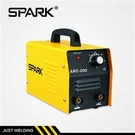


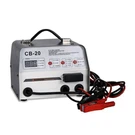
When it comes to using chargers and starters, safety is of utmost importance. As a leading supplier of chargers and starters, we understand the significance of providing our customers with not only high - quality products but also the knowledge of how to use them safely. In this blog, we will delve into the essential safety precautions that should be taken when using a charger and starter.
General Safety Precautions
Read the Manual
Before using any charger or starter, it is crucial to thoroughly read the user manual. The manual contains detailed information about the product's specifications, operating procedures, and safety warnings. Each charger and starter may have unique features and requirements, and the manual will guide you on how to use them correctly. For example, some chargers may have specific voltage requirements, and using the wrong voltage can lead to damage to the device or even pose a safety hazard.
Inspect the Equipment
Prior to each use, visually inspect the charger and starter for any signs of damage. Check for frayed wires, cracked casings, or loose connections. Damaged equipment can increase the risk of electrical shock, short - circuits, or fires. If you notice any damage, do not use the device and contact the manufacturer or a qualified technician for repair or replacement.
Use in a Suitable Environment
Chargers and starters should be used in a clean, dry, and well - ventilated area. Avoid using them in wet or damp conditions, as water can conduct electricity and cause electrical shock. Also, keep the device away from flammable materials and sources of heat, as overheating can lead to a fire. For instance, do not place the charger near a heater or in direct sunlight for an extended period.
Keep Away from Children and Pets
Chargers and starters contain electrical components that can be dangerous if mishandled. Keep them out of reach of children and pets to prevent accidental electrocution or damage to the device.
Charger Safety Precautions
Choose the Right Charger
Using the wrong charger can damage your battery or device. Make sure to use a charger that is compatible with the battery or device you are charging. Our Industrial Charger and Starter is designed for heavy - duty industrial applications and is specifically engineered to meet the power requirements of large batteries. Using an inappropriate charger may result in overcharging or undercharging, which can reduce the battery's lifespan and performance.
Do Not Overcharge
Overcharging a battery can cause it to overheat, swell, or even explode. Most modern chargers are equipped with overcharge protection features, but it is still important to monitor the charging process. Once the battery is fully charged, disconnect the charger immediately. For example, our Spark Design Battery Charger has a built - in intelligent charging system that automatically stops charging when the battery reaches its full capacity, but it is still a good practice to keep an eye on it.
Avoid Short - Circuits
A short - circuit can occur when the positive and negative terminals of a charger come into contact with each other or with a conductive material. To prevent short - circuits, make sure the charger's terminals are clean and free of debris. Do not place the charger on a metal surface or in a location where it can be easily bumped or knocked over.
Starter Safety Precautions
Check Battery Compatibility
Starters are designed to work with specific battery types and voltages. Before using a starter, ensure that it is compatible with the battery in your vehicle or equipment. Using an incompatible starter can damage the battery or the starter itself. Our Portable Charger with Handle is a versatile option that is compatible with a wide range of battery types, making it a convenient choice for various applications.
Follow the Correct Starting Procedure
When using a starter, follow the correct starting procedure outlined in the user manual. This usually involves connecting the starter to the battery correctly, ensuring the connections are tight, and then starting the engine or equipment. Incorrect starting procedures can cause sparks, which can be a fire hazard, especially in an environment where there are flammable gases or vapors.
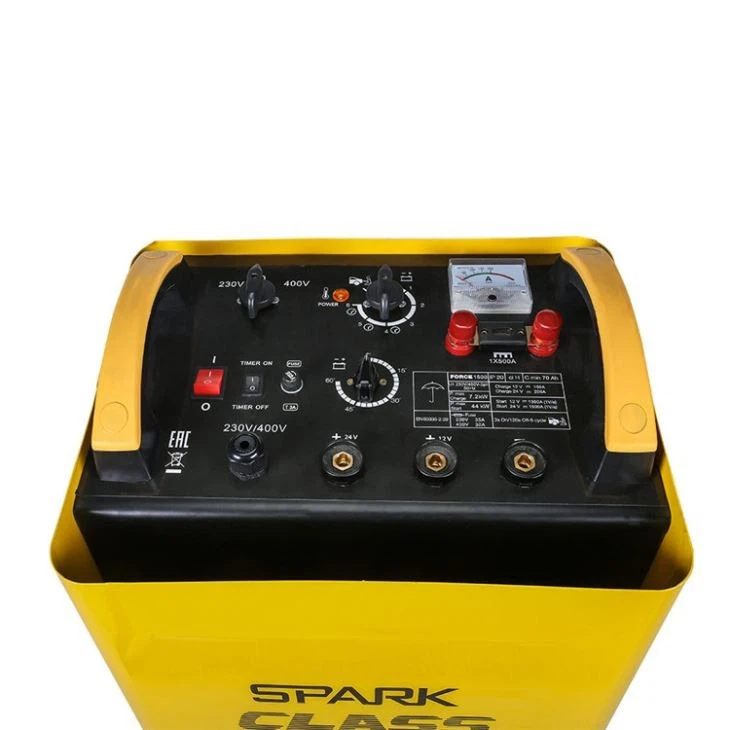
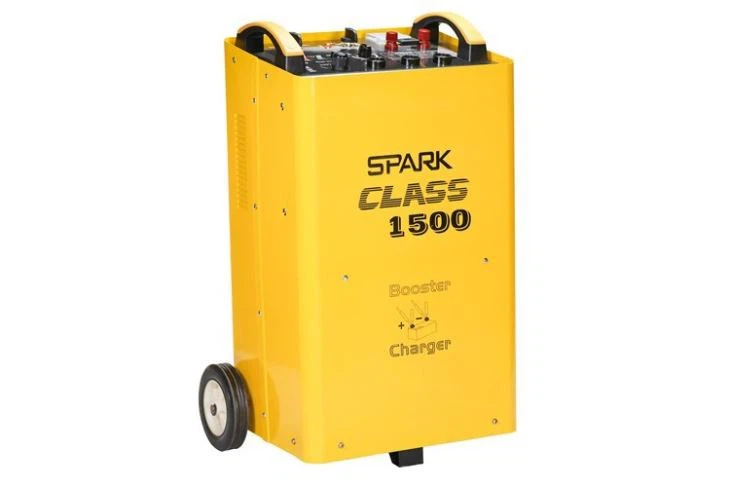
Do Not Overuse the Starter
Continuous use of the starter for an extended period can cause it to overheat. If the engine or equipment does not start after a few attempts, stop using the starter and check for other issues, such as a dead battery or a faulty ignition system. Excessive use of the starter can damage the motor and other components.
Electrical Safety Precautions
Wear Protective Gear
When handling chargers and starters, it is recommended to wear appropriate protective gear, such as insulated gloves and safety glasses. This can protect you from electrical shock and other potential hazards.
Turn Off Power Sources
Before performing any maintenance or cleaning on a charger or starter, turn off the power source and disconnect the device from the battery or electrical outlet. This reduces the risk of electrical shock.
Do Not Modify the Equipment
Modifying a charger or starter can void the warranty and also pose a safety risk. The manufacturer designs these devices to meet specific safety standards, and any modifications can disrupt these safety features.
Additional Tips
Regular Maintenance
Regularly maintain your chargers and starters by cleaning them, checking the connections, and replacing any worn - out parts. This can help ensure their safe and efficient operation over time.
Emergency Preparedness
Have an emergency plan in case of a fire or electrical accident. Keep a fire extinguisher nearby and know how to use it. In case of an electrical shock, seek medical attention immediately.
In conclusion, using chargers and starters safely is essential to protect yourself, your property, and your equipment. By following these safety precautions, you can ensure a long - lasting and trouble - free experience with your chargers and starters. As a trusted supplier of chargers and starters, we are committed to providing you with high - quality products and the necessary information to use them safely. If you have any questions about our products or safety precautions, or if you are interested in purchasing chargers and starters, please feel free to contact us for further discussion and procurement negotiation.
References
- Electrical Safety Standards Handbook
- Battery Charger and Starter Manufacturer's Guides