

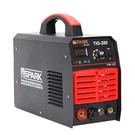
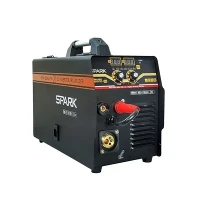


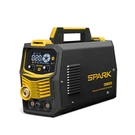

As a supplier of MIG welding machines, I've had the privilege of witnessing the widespread use and benefits of these remarkable tools across various industries. MIG, or Metal Inert Gas welding, is known for its high welding speed, ease of use, and ability to produce high - quality welds on a variety of metals. However, like any technology, MIG welding machines come with their set of disadvantages. Understanding these drawbacks is crucial for both potential buyers and those who are already using these machines, as it allows for more informed decision - making and better management of the welding process.
1. Equipment Cost
One of the most significant disadvantages of MIG welding machines is the relatively high initial investment. A basic MIG welding setup requires not only the welding machine itself but also additional components such as a welding gun, gas tank, and wire feeder. For instance, a Digital MIG Welding Machine often comes with advanced features that enhance precision and control, but these features also drive up the cost.
Moreover, the cost of consumables cannot be overlooked. The welding wire and shielding gas need to be replenished regularly, and over time, these expenses can add up significantly. For small - scale workshops or hobbyists on a tight budget, these costs can be a major deterrent. The need to maintain an inventory of different types and sizes of welding wire to accommodate various welding jobs further increases the financial burden.
2. Portability Challenges
MIG welding machines are generally less portable compared to some other types of welding equipment. The presence of a gas tank is one of the main culprits. Gas tanks are bulky and heavy, making it difficult to move the entire MIG welding setup from one location to another, especially if the work requires frequent relocation.
Even the welding machines themselves can be quite large and heavy, especially the more powerful models. This lack of portability can be a significant drawback for construction workers who need to move their equipment around job sites or for mobile welders who offer on - site services. While there are smaller, more portable MIG welding machines available, they often sacrifice power and performance to achieve a more compact design.
3. Welding Environment Sensitivity
MIG welding is highly sensitive to the welding environment. The shielding gas used in the process is designed to protect the weld pool from atmospheric contaminants, such as oxygen and nitrogen. However, windy conditions can easily disperse the shielding gas, allowing these contaminants to enter the weld pool. This can lead to weld defects such as porosity, which weakens the overall strength of the weld.
Humidity is another environmental factor that can affect MIG welding. High humidity levels can introduce moisture into the welding process, which can cause hydrogen embrittlement in the weld. This makes the weld more prone to cracking and reduces its durability. As a result, MIG welding is often best suited for indoor environments where the welding conditions can be more easily controlled.
4. Skill Requirements
Although MIG welding is often considered easier to learn compared to some other welding techniques, it still requires a certain level of skill and practice to master. Operators need to be able to control the welding speed, wire feed rate, and torch angle precisely to produce high - quality welds. Incorrect settings can result in various welding defects, such as undercutting, where the base metal is melted away at the edge of the weld, or excessive penetration, which can lead to weak spots in the weld.
Additionally, MIG welding operators need to have a good understanding of the different types of welding wires and shielding gases available and how to select the appropriate ones for each welding job. This knowledge is essential for achieving optimal weld quality and avoiding potential issues. Training programs for MIG welding can be time - consuming and expensive, especially for small businesses or individual operators with limited resources.
5. Limited Welding Positions
MIG welding has limitations when it comes to welding in certain positions. While it is relatively easy to perform flat and horizontal welds with a MIG welding machine, vertical and overhead welding can be more challenging. In vertical and overhead positions, the molten metal in the weld pool has a tendency to flow downward due to gravity, which can make it difficult to control the shape and quality of the weld.
Special techniques and adjustments to the welding parameters are required to perform vertical and overhead MIG welds effectively. These techniques often require more skill and experience from the operator. As a result, in applications where welding in multiple positions is necessary, MIG welding may not be the most suitable option, and other welding techniques may need to be considered.

6. Maintenance Requirements
MIG welding machines require regular maintenance to ensure their proper functioning and longevity. The wire feeder, in particular, needs to be kept clean and well - lubricated to prevent wire jams. The welding gun also needs to be inspected regularly for any signs of wear or damage, and the contact tips need to be replaced when they become worn out.
The gas delivery system also requires maintenance to prevent leaks and ensure a consistent flow of shielding gas. Any issues with the gas delivery system can have a significant impact on the quality of the welds. The cost of maintenance, including the replacement of parts and the purchase of lubricants and cleaners, can add to the overall cost of using a MIG welding machine over time.
7. Safety Concerns
There are several safety concerns associated with MIG welding. One of the main risks is the generation of intense ultraviolet (UV) and infrared (IR) radiation during the welding process. This radiation can cause serious eye damage, including arc eye, a painful condition similar to a sunburn of the eye. Welders need to wear appropriate eye protection, such as welding helmets with auto - darkening filters, to shield their eyes from this radiation.
The welding process also produces fumes and gases that can be hazardous to the welder's health. These fumes can contain harmful substances such as metal oxides, nitrogen oxides, and ozone. Inhalation of these fumes over an extended period can lead to respiratory problems, such as lung cancer and occupational asthma. Adequate ventilation is essential in a MIG welding environment to remove these fumes and protect the welder's health.
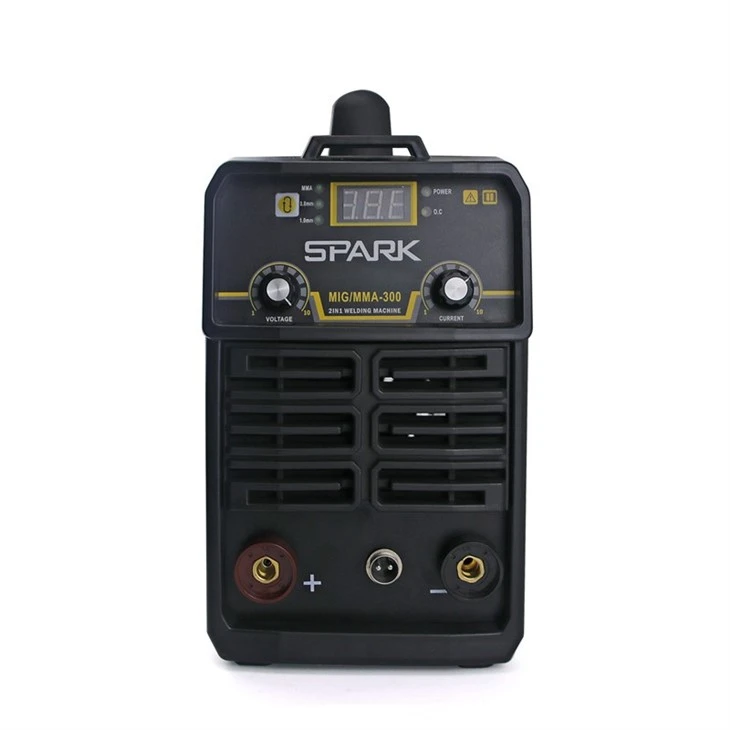
Despite these disadvantages, MIG welding machines remain a popular choice in many industries due to their numerous advantages. The key is to carefully weigh the pros and cons based on your specific welding needs. If you're in the market for a MIG welding machine, our company offers a wide range of options, including the 1 kg Wire Welding Machine and the Multifunctional MIG/MMA/TIG 3 in 1 Welding Machine.
If you have any questions about our products or are interested in a purchase, I encourage you to reach out for a detailed discussion. We are committed to providing you with the best solutions for your welding requirements.
References
- Shaw, S. (2018). Welding Handbook: Volume 2 - Welding Processes. American Welding Society.
- Heathcote, J. (2019). The Welding Bible: Tools, Techniques, and Tips from the Pros. Storey Publishing.