


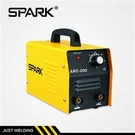


TIG (Tungsten Inert Gas) welding machines are widely used in various industries due to their precision and high - quality welds. As a TIG welding machine supplier, I have encountered numerous common problems faced by users. In this blog, I will discuss these issues and provide practical solutions.
1. Arc Starting Problems
Problem Description
One of the most common problems with TIG welding machines is difficulty in starting the arc. There are several reasons for this issue. Firstly, the tungsten electrode may be contaminated. If the electrode is dirty or has impurities, it can prevent the proper formation of an arc. Secondly, the gas flow may be incorrect. Insufficient gas flow can lead to an unstable arc start, while excessive gas flow can blow away the arc. Thirdly, the power settings might be inappropriate. If the current is set too low, the arc may not start; if it is set too high, it can cause damage to the electrode and the workpiece.
Solutions
- Electrode Cleaning and Preparation: Ensure that the tungsten electrode is clean before use. Use a dedicated tungsten grinder to sharpen the electrode to the correct angle. A sharp electrode tip helps in easier arc initiation. For example, for DC welding, a pointed tip is usually preferred, while for AC welding, a balled tip is more suitable.
- Gas Flow Adjustment: Check the gas flow rate according to the welding requirements. Generally, a flow rate of 10 - 20 cubic feet per hour (CFH) is suitable for most TIG welding applications. You can use a flow meter to accurately measure and adjust the gas flow.
- Power Setting Optimization: Refer to the welding machine's manual to set the appropriate current and voltage for the material and thickness of the workpiece. For thin materials, lower current settings are required, while thicker materials need higher currents.
2. Weld Pool Instability
Problem Description
Weld pool instability can result in uneven welds, lack of fusion, and porosity. This problem can be caused by several factors. The welding speed may be too fast or too slow. If the speed is too fast, the weld pool may not have enough time to form properly, leading to incomplete fusion. If the speed is too slow, the weld pool can become too large and may sag. Additionally, improper shielding gas coverage can also cause instability. If the gas does not cover the weld pool effectively, it can lead to oxidation and porosity.
Solutions
- Welding Speed Control: Practice to maintain a consistent welding speed. A good way to control the speed is to use a reference mark on the workpiece and move the torch at a steady pace. For example, you can use a ruler or a pre - marked line on the material.
- Shielding Gas Improvement: Ensure that the shielding gas is flowing correctly and covering the weld pool completely. Check the gas nozzle for any blockages or damage. A larger nozzle may be required for wider welds to provide better gas coverage.
3. Tungsten Electrode Consumption
Problem Description
Excessive tungsten electrode consumption is a significant issue. This can be due to several reasons. High amperage settings can cause the electrode to melt quickly. Contamination from the workpiece or the shielding gas can also lead to electrode degradation. For example, if the workpiece has rust or oil on its surface, it can transfer to the electrode during welding, causing it to burn faster.
Solutions
- Amperage Reduction: Lower the amperage to an appropriate level for the welding task. This not only reduces electrode consumption but also helps in achieving better weld quality. Refer to the welding machine's specifications to determine the maximum amperage for the electrode size you are using.
- Workpiece Cleaning: Thoroughly clean the workpiece before welding to remove any contaminants. Use a wire brush or a chemical cleaner to clean the surface. This helps in preventing the transfer of impurities to the electrode.
4. Porosity in Welds
Problem Description
Porosity in welds is a common defect that can weaken the weld joint. It is usually caused by the presence of gas bubbles in the weld pool. Insufficient shielding gas, contaminated filler metal, or moisture in the welding environment can all contribute to porosity.
Solutions
- Shielding Gas Enhancement: Ensure that the shielding gas is of high quality and flowing at the correct rate. As mentioned earlier, a proper gas flow rate of 10 - 20 CFH is generally recommended. Also, check the gas supply for any leaks or blockages.
- Filler Metal Inspection: Use clean and dry filler metal. Store the filler metal in a dry environment to prevent moisture absorption. If the filler metal is contaminated, it can introduce impurities into the weld pool, leading to porosity.
- Welding Environment Control: Avoid welding in a humid environment. If necessary, use a dehumidifier or a heater to control the moisture level in the welding area.
5. Overheating of the Welding Machine
Problem Description
Overheating of the TIG welding machine can damage its internal components and reduce its lifespan. This can be caused by continuous welding for long periods without proper cooling, improper ventilation, or a malfunctioning cooling system.
Solutions
- Welding Intervals: Take regular breaks during long - term welding operations to allow the machine to cool down. Follow the manufacturer's recommendations regarding duty cycle, which indicates the percentage of time the machine can operate continuously within a 10 - minute period. For example, a machine with a 60% duty cycle at 200 amps can be used for 6 minutes out of every 10 minutes at that amperage.
- Ventilation Improvement: Ensure that the welding machine has adequate ventilation. Place it in an open area or use a fan to improve air circulation around the machine. Check the ventilation ports on the machine for any blockages and clean them regularly.
- Cooling System Check: If the welding machine has a water - cooled system, check the water level and flow regularly. Make sure that the water pump is working properly and that the coolant is clean. For air - cooled machines, ensure that the cooling fans are functioning correctly.
6. Electrical Issues
Problem Description
Electrical issues such as short circuits, power fluctuations, and ground problems can affect the performance of the TIG welding machine. A loose electrical connection can cause arcing, which can damage the machine and pose a safety hazard. Power fluctuations can lead to inconsistent welding results.
Solutions
- Electrical Connection Inspection: Regularly check all electrical connections, including the power cord, welding cables, and ground clamp. Ensure that they are tight and free from damage. If any connection is loose, tighten it immediately. If the cable is damaged, replace it with a new one.
- Power Supply Stability: Use a stable power source. If possible, connect the welding machine to a dedicated circuit to avoid power fluctuations caused by other electrical equipment. You can also use a voltage stabilizer to protect the machine from sudden voltage changes.
- Grounding: Ensure that the welding machine is properly grounded. A good ground connection helps in preventing electrical shocks and ensures stable welding performance.
7. Inconsistent Weld Quality
Problem Description
Inconsistent weld quality can be a frustrating problem. It can be due to a combination of the above - mentioned issues, such as arc starting problems, weld pool instability, and electrode consumption. In addition, operator skill and technique also play a crucial role.
Solutions
- Operator Training: Provide proper training to the operators on TIG welding techniques. Training should cover electrode handling, torch movement, and weld pool control. Encourage operators to practice on test pieces before starting actual welding jobs.
- Equipment Maintenance: Regularly maintain the welding machine, including cleaning, lubricating, and inspecting all components. A well - maintained machine is more likely to produce consistent welds.
Our TIG Welding Machine Range
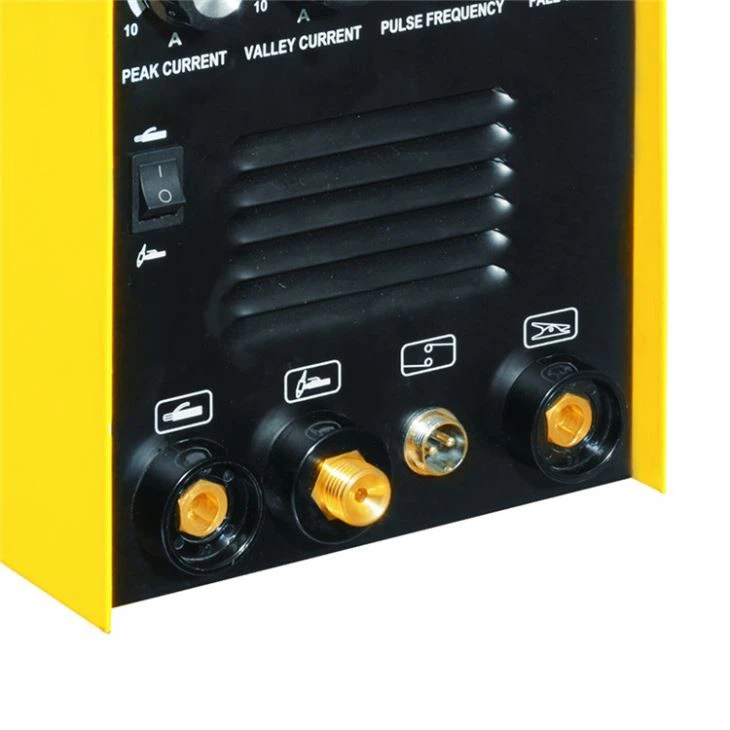
As a TIG welding machine supplier, we offer a wide range of high - quality welding machines to meet different customer needs. Our AC/DC TIG for Welding Aluminium is specifically designed for welding aluminum materials, providing excellent arc stability and weld quality. Our DC Single Phase TIG Welding Machine is suitable for small - scale welding applications, offering ease of use and affordability. And our DC Pulse TIG Welding Machine allows for precise control of the weld pool, reducing heat input and minimizing distortion.

Contact Us for Your TIG Welding Machine Needs
If you are facing any problems with your TIG welding machine or are interested in purchasing a new one, we are here to help. Our team of experts can provide you with professional advice and support. Contact us to discuss your requirements and start a successful partnership for all your welding needs.
References
- Welding Handbook, American Welding Society
- TIG Welding Machine User Manuals