

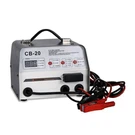




Deep-cycle batteries are a crucial component in various applications, from renewable energy systems to recreational vehicles. As a leading Charger And Starter supplier, we understand the importance of proper charging to ensure the longevity and optimal performance of these batteries. In this blog, we'll delve into the charging requirements for deep-cycle batteries using a charger and starter, providing you with the knowledge you need to make informed decisions.
Understanding Deep-Cycle Batteries
Before we discuss the charging requirements, it's essential to understand what deep-cycle batteries are. Unlike starter batteries, which are designed to deliver a high burst of current for a short period to start an engine, deep-cycle batteries are built to provide a steady amount of power over an extended period. They can be discharged to a much lower level and recharged repeatedly without significant damage.
Deep-cycle batteries come in different chemistries, such as lead-acid (including flooded, AGM, and gel), lithium-ion, and nickel-cadmium. Each chemistry has its own unique characteristics and charging requirements.
Charging Stages
Most chargers for deep-cycle batteries go through several stages during the charging process. These stages are designed to optimize the charging efficiency and protect the battery from overcharging.
Bulk Charging
The bulk charging stage is the first phase of the charging process. During this stage, the charger delivers a high current to the battery to quickly replenish the discharged capacity. The charger typically operates at a constant voltage, and the current gradually decreases as the battery voltage rises. This stage can charge the battery up to about 80% of its capacity.
Absorption Charging
Once the battery reaches a certain voltage, the charger switches to the absorption charging stage. In this stage, the charger maintains a constant voltage while the current continues to decrease. The purpose of this stage is to fully charge the battery and equalize the charge across all the cells. This stage can take several hours, depending on the battery's capacity and state of charge.
Float Charging
After the battery is fully charged, the charger switches to the float charging stage. In this stage, the charger maintains a lower voltage to keep the battery fully charged without overcharging it. Float charging is suitable for long-term storage or when the battery is connected to a continuous power source.
Charging Requirements for Different Battery Chemistries
Lead-Acid Batteries
Lead-acid batteries are the most common type of deep-cycle batteries. They are relatively inexpensive and widely available. However, they require proper charging to ensure their longevity.
- Flooded Lead-Acid Batteries: These batteries require regular maintenance, including checking the electrolyte level and adding distilled water if necessary. When charging flooded lead-acid batteries, it's important to use a charger that can deliver the appropriate voltage and current. Overcharging can cause the electrolyte to boil, leading to water loss and damage to the battery.
- AGM (Absorbent Glass Mat) Batteries: AGM batteries are sealed and maintenance-free. They have a lower internal resistance than flooded lead-acid batteries, which allows for faster charging. However, they are more sensitive to overcharging and require a charger with a precise voltage control.
- Gel Batteries: Gel batteries are also sealed and maintenance-free. They use a gel electrolyte instead of a liquid electrolyte, which makes them more resistant to vibration and shock. Gel batteries require a charger with a lower charging voltage than flooded lead-acid batteries to prevent overcharging.
Lithium-Ion Batteries
Lithium-ion batteries are becoming increasingly popular due to their high energy density, long lifespan, and low self-discharge rate. However, they require a specialized charger to ensure their safety and performance.


Lithium-ion batteries have a different charging profile than lead-acid batteries. They typically require a constant current/constant voltage (CC/CV) charging method. During the constant current stage, the charger delivers a high current to the battery until it reaches a certain voltage. Then, the charger switches to the constant voltage stage and maintains the voltage while the current gradually decreases.
It's important to use a charger that is specifically designed for lithium-ion batteries to avoid overcharging, overheating, and other safety issues.
Nickel-Cadmium Batteries
Nickel-cadmium batteries are less common than lead-acid and lithium-ion batteries. They have a relatively high self-discharge rate and can suffer from the "memory effect" if not charged properly.
When charging nickel-cadmium batteries, it's important to use a charger that can deliver a constant current. Overcharging can cause the battery to overheat and reduce its lifespan.
Choosing the Right Charger and Starter
As a Charger And Starter supplier, we offer a wide range of products to meet the charging requirements of different deep-cycle batteries. Here are some factors to consider when choosing a charger and starter:
- Battery Chemistry: Make sure the charger is compatible with the battery chemistry. Different battery chemistries require different charging voltages and currents.
- Battery Capacity: The charger should be able to deliver enough current to charge the battery within a reasonable time. Consider the battery's capacity and the charger's output current when making a selection.
- Charging Stages: Look for a charger that has multiple charging stages, such as bulk charging, absorption charging, and float charging. This will ensure that the battery is charged efficiently and safely.
- Safety Features: Choose a charger with safety features such as overcharge protection, short-circuit protection, and reverse polarity protection. These features will help protect the battery and the charger from damage.
We offer a variety of chargers and starters, including Industrial Charger and Starter, Mini Charger For Motobike Battery, and Digital Universal Battery Charger. Our products are designed to provide reliable and efficient charging for deep-cycle batteries.
Charging Tips for Deep-Cycle Batteries
In addition to choosing the right charger and starter, there are some charging tips that can help extend the lifespan of your deep-cycle batteries:
- Charge the Battery Regularly: Avoid letting the battery sit in a discharged state for an extended period. Regular charging can help prevent sulfation, which is a common cause of battery failure.
- Avoid Overcharging: Overcharging can damage the battery and reduce its lifespan. Make sure the charger has overcharge protection and follow the manufacturer's charging instructions.
- Charge in a Well-Ventilated Area: Charging batteries can produce hydrogen gas, which is flammable. Make sure to charge the battery in a well-ventilated area to prevent the buildup of hydrogen gas.
- Use a Battery Monitor: A battery monitor can help you keep track of the battery's state of charge and voltage. This can help you determine when to charge the battery and avoid overcharging or undercharging.
Conclusion
Proper charging is essential for the longevity and optimal performance of deep-cycle batteries. By understanding the charging requirements for different battery chemistries and choosing the right charger and starter, you can ensure that your batteries are charged efficiently and safely.
As a Charger And Starter supplier, we are committed to providing high-quality products and excellent customer service. If you have any questions about charging deep-cycle batteries or need help choosing the right charger and starter for your application, please don't hesitate to contact us. We look forward to working with you to meet your charging needs.
References
- Battery University: https://batteryuniversity.com/
- Trojan Battery Company: https://www.trojanbattery.com/
- Lifeline Batteries: https://www.lifelinebatteries.com/