


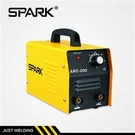


Hey there, fellow welders! As a supplier of MIG MAG welding machines, I've seen my fair share of issues that can pop up during the welding process. In this blog, I'm gonna share some tips on how to troubleshoot common problems in a MIG MAG welding machine. Whether you're a newbie or a seasoned pro, these tips can save you time and headaches.
1. No Power
One of the most frustrating problems is when your welding machine doesn't turn on at all. Here are some things you can check:
- Power Supply: First, make sure the machine is properly plugged into a working power outlet. Check if the circuit breaker has tripped. Sometimes, a simple reset can solve the problem.
- Power Cord: Inspect the power cord for any visible damage, like cuts or frayed wires. If you find any issues, it's best to replace the cord.
- On - Off Switch: The on - off switch might be faulty. Try toggling it a few times. If it still doesn't work, you may need to replace the switch.
2. Erratic Wire Feed
A smooth wire feed is crucial for a good weld. If you're experiencing erratic wire feed, here's what you can do:
- Wire Spool: Check the wire spool to ensure it's rotating freely. Sometimes, the wire can get tangled or the spool can jam. Make sure the wire is properly threaded through the guides.
- Drive Rolls: The drive rolls are responsible for pulling the wire through the machine. Over time, they can wear out or get dirty. Clean the drive rolls with a wire brush and check for any signs of damage. If they're worn, replace them.
- Wire Size and Type: Using the wrong wire size or type can also cause wire feed problems. Make sure you're using the wire recommended for your welding machine. For example, if your machine is designed for 0.035 - inch wire, using a 0.045 - inch wire can lead to issues.
3. Poor Weld Quality
If your welds don't look good, there could be several reasons behind it.
- Gas Flow: In MIG MAG welding, the shielding gas plays a vital role in protecting the weld from contaminants. Check the gas flow rate. If it's too low, the weld may be porous. If it's too high, it can cause turbulence and also affect the weld quality. Adjust the gas flow according to the manufacturer's recommendations.
- Voltage and Amperage Settings: Incorrect voltage and amperage settings can result in poor welds. If the voltage is too high, the weld will be wide and shallow. If it's too low, the weld may not penetrate properly. Refer to the welding chart provided with your machine to set the correct parameters based on the thickness of the metal you're welding.
- Electrode Extension: The distance between the end of the contact tip and the workpiece, known as the electrode extension, is important. If it's too long, the wire can overheat and break, and the weld quality will suffer. Keep the electrode extension within the recommended range, usually around 3/8 to 1/2 inch.
4. Overheating
Welding machines can overheat, especially if they're used for long periods or under heavy loads.
- Ventilation: Make sure the welding machine has proper ventilation. Check if the vents are blocked by dust, debris, or other objects. Clean the vents regularly to ensure good air circulation.
- Duty Cycle: Every welding machine has a duty cycle, which indicates the amount of time it can operate continuously within a 10 - minute period. If you're exceeding the duty cycle, the machine will overheat. Take breaks between welds to let the machine cool down.
5. Spatter Issues
Excessive spatter can make the welding process messy and also affect the quality of the weld.
- Wire Speed: A too - high wire speed can cause spatter. Try reducing the wire feed speed gradually until the spatter is minimized.
- Gas Mixture: The type and mixture of the shielding gas can also affect spatter. For example, a higher percentage of argon in the gas mixture can reduce spatter. Consult the gas supplier or the welding machine manual for the recommended gas mixture.
6. Contact Tip Problems
The contact tip is a critical part of the welding gun.


- Wear and Tear: Over time, the contact tip can wear out. If it's worn, the wire may not feed smoothly, and the arc may be unstable. Replace the contact tip regularly, especially if you notice signs of excessive wear.
- Clogging: The contact tip can get clogged with metal particles. Use a contact tip cleaner to remove any debris and ensure proper wire passage.
Now, if you're in the market for a new MIG MAG welding machine, we've got some great options for you. Check out our MIG Welding Machine With Wheel, which offers great portability. Our Powerful MIG Welding Machine is perfect for heavy - duty welding tasks. And if you're looking for advanced features, our Dual Pulse Welding Machine is a top - notch choice.
If you have any questions about our welding machines or need help with troubleshooting, don't hesitate to reach out. We're here to assist you in getting the best welding experience possible. Whether you're a small - scale welder or a large - scale industrial user, we've got the right machine for you. Contact us today to start a purchase negotiation and take your welding to the next level.
References
- Welding Handbook, American Welding Society
- Manufacturer's manuals of various MIG MAG welding machines