




Hey there! As a supplier of chargers and starters, I've seen firsthand how important good heat dissipation is for these devices. Overheating can lead to all sorts of problems, like reduced performance, shorter lifespan, and even safety hazards. So, in this blog post, I'm gonna share some tips on how to ensure good heat dissipation for chargers and starters.
Understanding the Basics of Heat Generation
Before we dive into the solutions, let's first understand why chargers and starters generate heat in the first place. When an electrical current flows through a conductor, like the wires and components inside a charger or starter, some of the electrical energy is converted into heat energy. This is due to the resistance of the conductor, which opposes the flow of current. The more current that flows through the conductor, the more heat is generated.
In chargers and starters, there are several components that can generate heat, including the transformer, rectifier, and power transistors. These components are responsible for converting the electrical energy from the power source into the appropriate voltage and current for the device being charged or started. As they do this, they generate heat, which needs to be dissipated to prevent overheating.
Tips for Ensuring Good Heat Dissipation
Now that we understand why chargers and starters generate heat, let's look at some tips for ensuring good heat dissipation.
1. Choose the Right Materials
The materials used in the construction of a charger or starter can have a big impact on its heat dissipation properties. For example, using materials with high thermal conductivity, like aluminum or copper, can help to transfer heat away from the components more efficiently. These materials can be used in the heat sinks, which are devices that are designed to absorb and dissipate heat.
In addition to using materials with high thermal conductivity, it's also important to use materials that are resistant to heat. This can help to prevent the components from overheating and failing. For example, using high-temperature plastics or ceramics can help to protect the components from the heat generated during operation.
2. Design for Good Airflow
Another important factor in ensuring good heat dissipation is designing the charger or starter for good airflow. This means creating a design that allows air to flow freely around the components, carrying away the heat. There are several ways to do this, including:
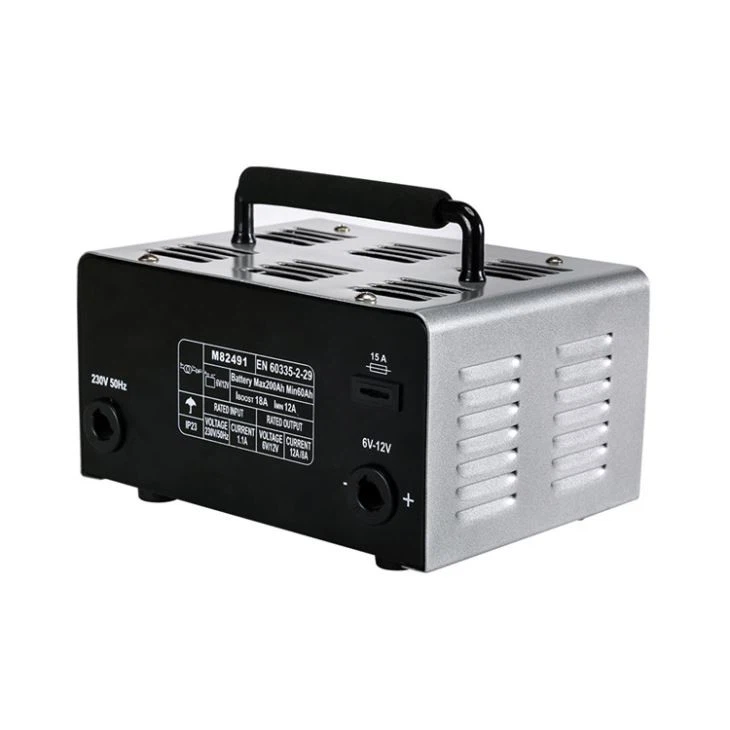
- Using ventilation holes: Ventilation holes can be added to the case of the charger or starter to allow air to enter and exit. These holes should be placed in strategic locations to ensure that air flows over the components that generate the most heat.
- Including a fan: A fan can be added to the charger or starter to help circulate the air. This can be especially effective in larger devices or in environments where the ambient temperature is high.
- Creating a风道: A风道 can be designed into the case of the charger or starter to direct the airflow over the components. This can help to ensure that the air flows in a consistent and efficient manner.
3. Keep the Charger or Starter Clean
Over time, dust and debris can accumulate on the components of a charger or starter, which can block the airflow and reduce the heat dissipation efficiency. To prevent this, it's important to keep the charger or starter clean. This can be done by:
- Regularly wiping down the case: Use a soft, dry cloth to wipe down the case of the charger or starter to remove any dust or debris.
- Using compressed air: Compressed air can be used to blow out any dust or debris that has accumulated inside the charger or starter. Be sure to use a can of compressed air that is designed for electronic devices and follow the manufacturer's instructions.
- Avoiding using the charger or starter in dusty or dirty environments: If possible, try to use the charger or starter in a clean, dry environment to prevent dust and debris from accumulating on the components.
4. Monitor the Temperature
Monitoring the temperature of the charger or starter can help to ensure that it is operating within a safe temperature range. This can be done using a temperature sensor, which can be installed inside the charger or starter. The temperature sensor can be connected to a display or alarm system, which can alert you if the temperature exceeds a certain threshold.
In addition to monitoring the temperature, it's also important to follow the manufacturer's instructions for using the charger or starter. This can include guidelines on the maximum temperature that the device can operate at, as well as recommendations for charging or starting the device.
Our Products and Heat Dissipation
At our company, we understand the importance of good heat dissipation for chargers and starters. That's why we design and manufacture our products with heat dissipation in mind. For example, our Portable Charger with Handle is designed with a high-efficiency heat sink and ventilation holes to ensure good airflow and heat dissipation. Our Multifunctional Charger with Charging State also features a fan to help circulate the air and keep the components cool. And our Spark Design Battery Charger uses high-quality materials with excellent thermal conductivity to transfer heat away from the components more efficiently.

Conclusion
Ensuring good heat dissipation is essential for the performance and longevity of chargers and starters. By choosing the right materials, designing for good airflow, keeping the charger or starter clean, and monitoring the temperature, you can help to prevent overheating and ensure that your devices operate safely and efficiently.
If you're in the market for a charger or starter, we invite you to check out our products. We offer a wide range of chargers and starters that are designed with heat dissipation in mind, so you can be sure that you're getting a high-quality product that will perform well and last for a long time. If you have any questions or would like to discuss your specific needs, please don't hesitate to contact us. We're here to help you find the right charger or starter for your needs.
References
- "Thermal Management in Electronic Devices and Systems" by Avram Bar-Cohen and Ali Borca-Tasciuc
- "Handbook of Electronic Packaging Thermal Management" by C. P. Wong
- "Heat Transfer" by Frank P. Incropera and David P. DeWitt