


When it comes to MIG (Metal Inert Gas) welding, selecting the right diameter of MIG flux wire is crucial for achieving optimal welding results. As a trusted MIG flux wire supplier, I understand the significance of this decision and am here to guide you through the process. In this blog post, I'll share some key factors to consider when choosing the appropriate diameter of MIG flux wire for your welding projects.
Thickness of the Base Metal
One of the primary considerations when choosing the diameter of MIG flux wire is the thickness of the base metal you'll be welding. Thicker metals generally require larger diameter wires to ensure proper penetration and fusion. For thin metals, smaller diameter wires are preferred to prevent excessive heat input, which can lead to burn-through and distortion.


- Thin Metals (up to 1/8 inch): For thin metals, such as sheet metal or automotive body panels, a smaller diameter wire in the range of 0.023 to 0.030 inches is typically recommended. These wires produce less heat and are easier to control, resulting in clean and precise welds.
- Medium Metals (1/8 to 1/4 inch): When welding medium-thickness metals, a wire diameter of 0.035 to 0.045 inches is commonly used. These wires provide sufficient penetration and deposition rates for most medium-duty applications.
- Thick Metals (over 1/4 inch): For thick metals, such as structural steel or heavy machinery components, larger diameter wires of 0.045 inches or greater are necessary to achieve deep penetration and strong welds.
Welding Position
The welding position also plays a significant role in determining the appropriate wire diameter. Different welding positions, such as flat, horizontal, vertical, and overhead, require different wire characteristics to ensure proper fusion and bead shape.
- Flat and Horizontal Positions: In flat and horizontal welding positions, larger diameter wires can be used due to the natural flow of the molten metal. These wires offer higher deposition rates and can cover more surface area in less time.
- Vertical and Overhead Positions: When welding in vertical or overhead positions, smaller diameter wires are preferred because they are easier to control and produce less molten metal, reducing the risk of sagging or dripping.
Welding Machine Capacity
The capacity of your welding machine is another important factor to consider when choosing the diameter of MIG flux wire. Each welding machine has a specific range of wire diameters it can handle effectively. Using a wire diameter that is too large for your machine can cause overheating, poor arc stability, and inconsistent weld quality.
- Check the Manufacturer's Recommendations: Refer to the manufacturer's specifications for your welding machine to determine the recommended wire diameter range. This information is usually provided in the user manual or on the machine's label.
- Consider the Amperage Output: The amperage output of your welding machine also affects the wire diameter you can use. Higher amperage machines can accommodate larger diameter wires, while lower amperage machines are better suited for smaller wires.
Welding Application
The type of welding application you're working on can also influence the choice of wire diameter. Different applications, such as automotive repair, fabrication, or structural welding, may require specific wire characteristics to meet the project's requirements.
- Automotive Repair: In automotive repair, where precision and aesthetics are important, smaller diameter wires are often used to create clean and smooth welds on thin sheet metal.
- Fabrication: For general fabrication work, medium to large diameter wires are commonly used to achieve high deposition rates and strong welds on thicker metals.
- Structural Welding: In structural welding applications, such as building construction or bridge building, larger diameter wires are typically required to ensure the integrity and strength of the welds.
Cost Considerations
Cost is always a factor when making any purchasing decision, and choosing the right diameter of MIG flux wire is no exception. Larger diameter wires generally have a higher deposition rate, which means you can complete your welding projects faster. However, they also tend to be more expensive per pound. Smaller diameter wires may be more cost-effective for smaller projects or when working with thin metals.
Recommended Welding Machines
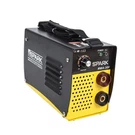
To complement your choice of MIG flux wire, I'd like to recommend some of our high-quality welding machines:
- Gasless MIG Welding Machine: This machine is ideal for small to medium-sized welding projects and offers the convenience of gasless operation.
- MIG-250 Inverter Welding Machine: With its high power output and advanced features, this machine is suitable for a wide range of welding applications, including thick metal welding.
- Three PCB 15kg Wire MIG Welding Machine: This machine is designed for heavy-duty welding and can handle large spools of wire, making it perfect for long welding sessions.
Conclusion
Choosing the right diameter of MIG flux wire is essential for achieving high-quality welds and ensuring the success of your welding projects. By considering factors such as the thickness of the base metal, welding position, welding machine capacity, welding application, and cost, you can make an informed decision that meets your specific needs.
As a leading MIG flux wire supplier, we offer a wide range of wire diameters and types to suit various welding requirements. Our team of experts is always available to provide you with personalized advice and support to help you select the right products for your projects.
If you're interested in learning more about our MIG flux wire products or have any questions about choosing the right wire diameter, please don't hesitate to contact us. We look forward to working with you and helping you achieve outstanding welding results.
References
- AWS Welding Handbook, Volume 1: Welding Science and Technology
- Lincoln Electric Welding Guide
- Miller Electric Welding Manual