




As a supplier of 6V/12V/24V battery chargers, I understand the importance of safe disposal methods for these devices. Not only does proper disposal protect the environment, but it also ensures the safety of individuals handling the chargers. In this blog post, I'll share some insights on how to safely dispose of 6V/12V/24V battery chargers, based on my experience in the industry.
Understanding the Components of a Battery Charger
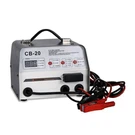
Before delving into the disposal methods, it's crucial to understand what a 6V/12V/24V battery charger consists of. These chargers typically contain electronic components such as printed circuit boards (PCBs), transformers, capacitors, and resistors. Some chargers may also have a power cord, a plug, and a housing made of plastic or metal.
PCBs are of particular concern as they often contain heavy metals like lead, mercury, and cadmium. These metals can be harmful to the environment and human health if released into the ecosystem. Capacitors, on the other hand, may store electrical energy even after the charger is unplugged, posing a risk of electric shock.

Pre - Disposal Checks
Before disposing of a battery charger, it's essential to perform a few checks:
- Power Off and Unplug: Ensure that the charger is completely powered off and unplugged from the electrical outlet. This simple step eliminates the risk of electric shock during handling.
- Inspect for Damage: Check the charger for any visible signs of damage, such as cracks in the housing, frayed wires, or burnt components. If the charger is damaged, it may be more hazardous to handle and should be disposed of with extra caution.
- Discharge Capacitors: If you have the technical knowledge, you can discharge any capacitors in the charger to reduce the risk of electric shock. However, this should only be attempted by individuals with proper training, as incorrect handling can be extremely dangerous.
Disposal Options
Recycling
Recycling is one of the most environmentally friendly ways to dispose of a 6V/12V/24V battery charger. Many recycling facilities are equipped to handle electronic waste (e - waste) and can safely extract valuable materials from the chargers while properly disposing of hazardous components.
- Local Recycling Centers: Contact your local recycling center to inquire if they accept battery chargers. Some centers may have specific drop - off days or requirements for e - waste.
- Manufacturer Recycling Programs: Some battery charger manufacturers offer recycling programs. They may accept old chargers for recycling, either for free or for a small fee. Check the manufacturer's website or contact their customer service to see if such a program exists.
Donation
If your battery charger is still in working condition, consider donating it. There are many organizations and individuals who could benefit from a used charger.
- Non - profit Organizations: Local non - profit organizations, community centers, or schools may be in need of battery chargers for their projects or equipment. Donating your charger can give it a second life and help those in need.
- Online Platforms: You can also list your charger on online platforms such as Craigslist or Freecycle. There may be someone in your area looking for a used charger at a low cost or for free.
Proper Landfill Disposal (as a Last Resort)
If recycling or donation is not an option, landfill disposal can be considered as a last resort. However, this should be done in accordance with local regulations.
- Check Local Regulations: Different regions have different rules regarding the disposal of e - waste in landfills. Some areas may prohibit the disposal of battery chargers in regular landfills due to their hazardous components. Make sure to check with your local waste management authority before disposing of the charger in a landfill.
- Separate Hazardous Components: If landfill disposal is allowed, try to separate any hazardous components, such as PCBs, from the rest of the charger. This can help reduce the environmental impact.
Safety Precautions During Disposal
Regardless of the disposal method you choose, safety should always be a top priority.
- Wear Protective Gear: When handling a battery charger for disposal, wear appropriate protective gear such as gloves and safety glasses. This can protect you from potential electric shock, chemical exposure, or sharp edges.
- Proper Handling: Handle the charger with care to avoid damaging it further. If the charger is heavy, use proper lifting techniques to prevent injury.
Our Product Range
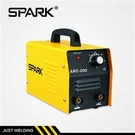
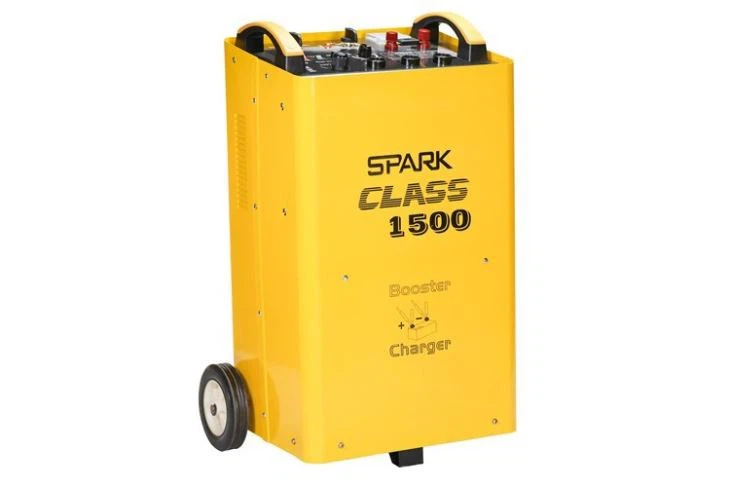
As a supplier of 6V/12V/24V battery chargers, we offer a wide range of high - quality products. Our Industrial Charger and Starter is designed for heavy - duty applications, providing reliable charging for industrial batteries. The Spark Design Battery Charger features a unique design and advanced charging technology, ensuring efficient and safe charging. And our Mini Charger For Motobike Battery is perfect for motorcycle owners, offering a compact and portable charging solution.
Contact Us for Procurement
If you're in the market for 6V/12V/24V battery chargers, we'd love to hear from you. Our team of experts can help you choose the right charger for your specific needs. Whether you're an individual consumer, a business, or an organization, we have the products and services to meet your requirements. Reach out to us to start a procurement discussion and discover how our battery chargers can benefit you.
References
- Environmental Protection Agency. (n.d.). Electronic Waste Recycling. Retrieved from [EPA official website]
- International Association of Electronics Recyclers. (n.d.). Best Practices for E - waste Recycling. Retrieved from [IAER official website]