




Welding dissimilar metals is a complex yet crucial process in various industries, from automotive manufacturing to aerospace engineering. As an ARC welding machine supplier, I often encounter inquiries about the feasibility of using our machines for this challenging task. In this blog post, I'll delve into the technical aspects of using an ARC welding machine for dissimilar metal welding, exploring the possibilities, limitations, and best practices.
Understanding Dissimilar Metal Welding
Dissimilar metal welding involves joining two different types of metals. This process is fraught with challenges due to the differences in the physical and chemical properties of the metals involved. For instance, different metals have varying melting points, thermal expansion coefficients, and chemical compositions. These differences can lead to issues such as cracking, porosity, and reduced joint strength if not properly addressed.
How ARC Welding Works
ARC welding is a popular welding process that uses an electric arc to create heat, which melts and fuses the metals together. The arc is formed between an electrode and the workpiece, and the heat generated is sufficient to melt the base metals and the electrode, creating a weld pool. There are several types of ARC welding, including Shielded Metal Arc Welding (SMAW), Gas Tungsten Arc Welding (GTAW), and Gas Metal Arc Welding (GMAW).
Can an ARC Welding Machine be Used for Dissimilar Metal Welding?
The short answer is yes, an ARC welding machine can be used for dissimilar metal welding. However, it's not as straightforward as welding similar metals. Success depends on several factors, including the choice of welding process, electrode selection, and proper pre - and post - welding procedures.
Welding Process Selection
Different ARC welding processes have their own advantages and limitations when it comes to dissimilar metal welding.
- Shielded Metal Arc Welding (SMAW): This is a versatile process that can be used for a wide range of metals. It uses a flux - coated electrode, which provides a shielding gas to protect the weld pool from atmospheric contamination. SMAW can be suitable for dissimilar metal welding, especially when dealing with thick materials. However, it requires a skilled operator to control the arc and manage the slag produced.
- Gas Tungsten Arc Welding (GTAW): Also known as TIG welding, GTAW uses a non - consumable tungsten electrode and an inert gas (usually argon) to shield the weld pool. It offers excellent control over the weld pool and is ideal for thin materials and high - quality welds. GTAW can be effective for dissimilar metal welding, but it is a relatively slow process and requires more skill.
- Gas Metal Arc Welding (GMAW): Commonly known as MIG welding, GMAW uses a consumable wire electrode and a shielding gas. It is a fast and efficient process, suitable for high - production applications. However, it may not be as precise as GTAW, and the choice of shielding gas and wire electrode is critical for dissimilar metal welding.
Electrode Selection
The choice of electrode is crucial for successful dissimilar metal welding. The electrode should have a composition that can bridge the differences between the two base metals. For example, when welding steel to aluminum, an electrode with properties that can bond well with both metals is required. Some electrodes are specifically designed for dissimilar metal welding and can provide a strong and reliable joint.

Pre - and Post - Welding Procedures
Proper pre - and post - welding procedures are essential for dissimilar metal welding.
- Pre - welding: This includes cleaning the surfaces of the metals to be welded to remove any dirt, oil, or oxide layers. Preheating the metals can also help reduce the thermal stress during welding, especially when the metals have different thermal expansion coefficients.
- Post - welding: Post - weld heat treatment may be necessary to relieve residual stresses and improve the mechanical properties of the weld joint. This can involve annealing, tempering, or stress - relieving processes.
Examples of Dissimilar Metal Welding with ARC Welding Machines
Let's take a look at some common examples of dissimilar metal welding using ARC welding machines.
- Steel to Stainless Steel: Welding steel to stainless steel is a common application in many industries. SMAW can be used with an appropriate electrode that can provide good corrosion resistance and strength. GTAW can also be used for high - quality joints, especially when aesthetics and precision are important.
- Aluminum to Steel: This is a more challenging combination due to the significant differences in the properties of aluminum and steel. GTAW with a suitable filler metal can be used to create a reliable joint. However, proper surface preparation and control of the welding parameters are crucial to avoid issues such as brittle intermetallic compounds.
Our ARC Welding Machines for Dissimilar Metal Welding
As an ARC welding machine supplier, we offer a range of products that can be used for dissimilar metal welding.
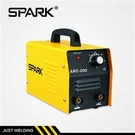
- Popular Small Transformer Hobby Welding Machine: This machine is suitable for small - scale projects and hobbyists. It provides a stable arc and is easy to operate, making it a good choice for beginners who want to experiment with dissimilar metal welding.
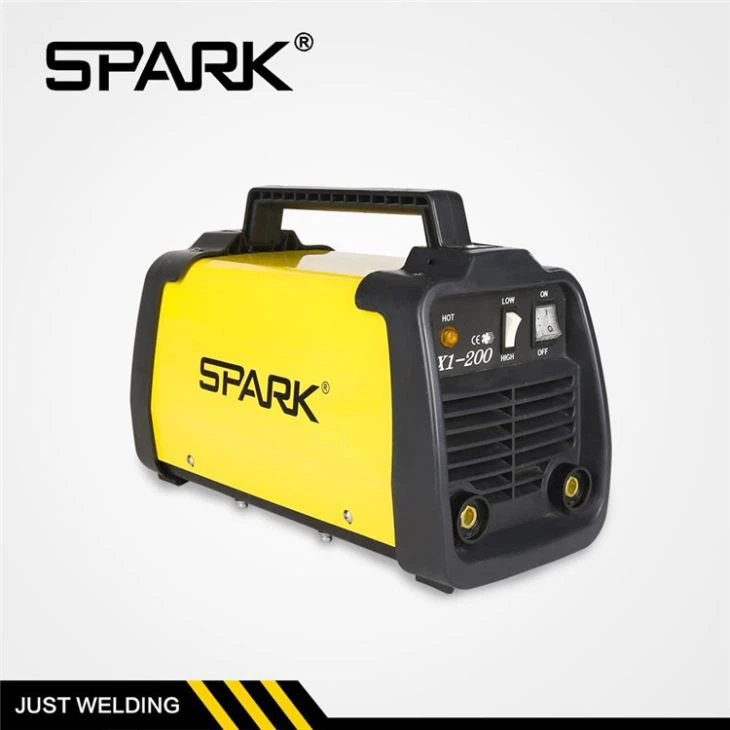
- BX1 - 200A AC Welding Machine: With its high - power output, this machine can handle thicker materials and is suitable for industrial applications. It offers good arc stability and can be used with a variety of electrodes, making it versatile for dissimilar metal welding.
- Plastic AC Transformer Welding Machine: This machine is designed for specific applications where lightweight and portability are important. It can be used for welding different types of metals, including dissimilar metals, in various environments.
Conclusion
In conclusion, an ARC welding machine can be used for dissimilar metal welding, but it requires careful consideration of the welding process, electrode selection, and pre - and post - welding procedures. Our range of ARC welding machines provides solutions for different welding needs, whether you are a hobbyist or an industrial user. If you are interested in using our ARC welding machines for dissimilar metal welding, we encourage you to contact us for more information and to discuss your specific requirements. We are ready to assist you in finding the best welding solution for your projects.
References
- "Welding Metallurgy" by John C. Lippold and David L. Kotecki
- "The Welding Handbook" by American Welding Society