




Hey there! As a supplier of MIG welding machines, I often get asked if a MIG welding machine can be used for underwater welding. It's a super interesting question, and today, I'm gonna break it down for you.
First off, let's quickly go over what MIG welding is. MIG, which stands for Metal Inert Gas welding, is a popular welding process. It uses a continuous solid wire electrode that's fed through a welding gun. This electrode melts and joins the metals together while a shielding gas, like argon or a mix of argon and carbon dioxide, protects the weld pool from contaminants in the air. It's known for being relatively easy to learn and for producing high - quality welds on a variety of metals.
Now, underwater welding is a whole different ballgame. There are two main types of underwater welding: wet welding and dry welding. Wet welding is done directly in the water, where the welder uses a special electrode and the surrounding water acts as a coolant. Dry welding, on the other hand, takes place in a hyperbaric chamber that's sealed around the area to be welded, keeping the water out and allowing for a more controlled environment similar to on - land welding.
So, can a regular MIG welding machine be used for underwater welding? The short answer is no, and here's why.
Challenges in Using MIG for Underwater Welding
1. Gas Shielding Issues
One of the biggest problems is the gas shielding. In normal MIG welding, the shielding gas creates a protective layer around the weld pool. But underwater, this gas would simply bubble up and escape into the water. The water pressure would also disrupt the flow of the shielding gas, making it impossible to maintain a stable and effective shield. Without proper shielding, the weld would be prone to porosity, oxidation, and other defects. For example, oxygen can react with the molten metal, forming oxides that weaken the weld.
2. Electrical Safety
Water is a great conductor of electricity, which poses a huge safety risk. A MIG welding machine is designed for use in a dry environment. Using it underwater could lead to electrical shocks for the welder, and there's also a risk of short - circuits that could damage the machine. The electrical insulation of a regular MIG machine isn't built to withstand the wet conditions of underwater welding. Even a small amount of water seeping into the electrical components could cause a malfunction or, worse, a dangerous situation for the operator.
3. Equipment Durability
The water environment is harsh. Corrosion is a major concern. Saltwater, in particular, is highly corrosive and can quickly damage the components of a MIG welding machine. The high pressure underwater can also put stress on the machine's parts, potentially causing them to fail prematurely. For instance, the wire feeder mechanism might get jammed due to water ingress or the pressure - induced stress.
Specialized Equipment for Underwater Welding
Since a regular MIG welding machine won't work underwater, there are specialized techniques and equipment for this type of welding.
Wet Welding
In wet welding, the most common method uses a flux - cored electrode. These electrodes have a flux coating that releases a shielding gas when heated, eliminating the need for an external gas supply. The flux also helps to protect the weld from the water and contaminants. The welding equipment is designed to be waterproof and has special insulation to ensure electrical safety.
Dry Welding
Dry welding uses equipment similar to on - land welding, but it's adapted for use in a hyperbaric chamber. The chamber is pressurized to match the external water pressure, and the welding can be done in a dry and controlled environment. This method allows for the use of different welding processes, including MIG - like techniques, but with specialized equipment that can handle the high - pressure environment.
Our MIG Welding Machines for Land - Based Applications
Even though our MIG welding machines aren't suitable for underwater welding, we have a great range of products for on - land welding jobs.
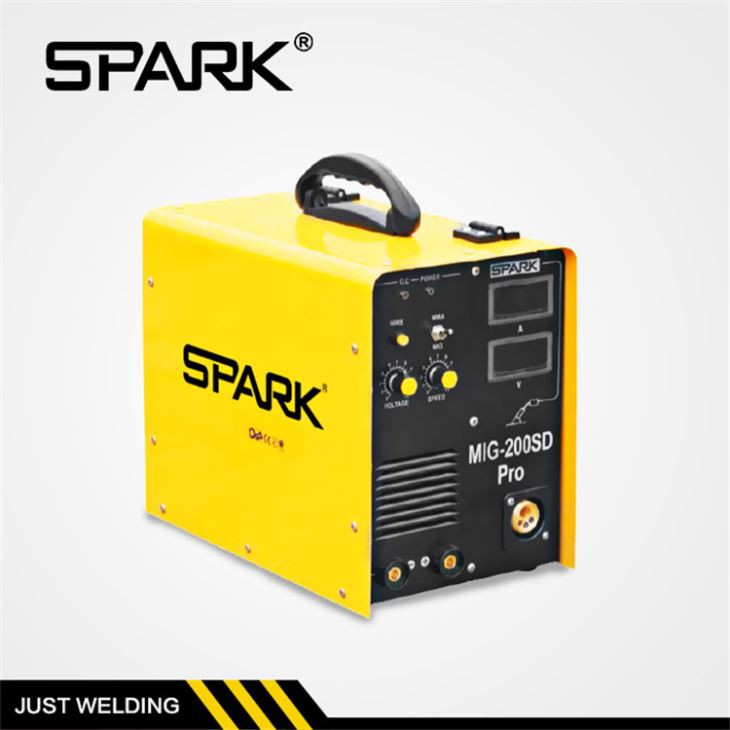

We offer the MIG - 250 Inverter Welding Machine. This machine is a real workhorse. It's lightweight and portable, making it easy to move around the job site. The inverter technology ensures high efficiency and stable welding performance. It can handle a variety of metals, from thin sheets to thicker plates, and is perfect for small - to - medium - sized welding projects.
Another great option is the Three PCB MOS MIG Welding Machine. This machine features advanced PCB (Printed Circuit Board) and MOS (Metal - Oxide - Semiconductor) technology. It provides precise control over the welding parameters, allowing for high - quality and consistent welds. Whether you're a professional welder or a DIY enthusiast, this machine is a great choice for all kinds of welding tasks.
And if you need a machine for larger projects that require a continuous supply of wire, our Three PCB 15kg Wire MIG Welding Machine is the one. With a 15kg wire capacity, you can work for longer periods without having to constantly change the wire spool. It's built for durability and high - performance, making it ideal for industrial applications.
Conclusion
In conclusion, a regular MIG welding machine isn't suitable for underwater welding due to the gas shielding issues, electrical safety concerns, and equipment durability problems. However, if you're looking for high - quality MIG welding machines for on - land applications, we've got you covered. Our machines are designed to provide reliable performance, ease of use, and excellent weld quality.
If you're interested in purchasing one of our MIG welding machines or have any questions about our products, don't hesitate to reach out. We're here to help you find the right welding solution for your needs. Whether you're a professional welder in a large - scale industrial setting or a hobbyist working on small projects at home, we can offer the perfect machine for you. Contact us today to start a discussion about your welding requirements and let's find the best fit together.
References
- ASME Boiler and Pressure Vessel Code, Section IX, Welding and Brazing Qualifications
- AWS D3.6M/D3.6:2018, Standard for Underwater Welding
- "Welding Handbook" by the American Welding Society