






Hey there! As a supplier of chargers and starters, I often get asked about the frequency of charging a battery with a charger and starter. It's a super important topic, and I'm here to break it down for you in a way that's easy to understand.
First off, let's talk about what affects how often you should charge your battery. There are a bunch of factors at play here. The type of battery you have is a huge one. For example, lead - acid batteries, which are commonly used in cars and some industrial applications, have different charging needs compared to lithium - ion batteries, which you'll find in many portable devices and some newer vehicles.
Lead - acid batteries are pretty forgiving but still need to be charged properly. If you're using your vehicle regularly, say you drive it every day, the alternator in your car will usually keep the battery charged. But if you leave your car sitting for a long time, like a couple of weeks or more, the battery can start to lose its charge. In this case, you might want to use a charger and starter to top it up. A good rule of thumb is to charge a lead - acid battery at least once every three months if it's not being used regularly.
On the other hand, lithium - ion batteries are a bit more sensitive. They don't like to be left at a very low charge for a long time. If you have a lithium - ion battery in your portable device or electric vehicle, it's a good idea to charge it when it gets down to about 20 - 30% charge. And if you're not going to use the device for a while, it's best to store it with a charge of around 50%.
The capacity of the battery also matters. A larger capacity battery will take longer to charge and might not need to be charged as frequently as a smaller one. For instance, a big industrial battery with a high amp - hour rating can hold a lot of charge and might only need to be charged every few weeks or months, depending on its usage.
Another factor is the environment. Batteries don't like extreme temperatures. In cold weather, the chemical reactions inside the battery slow down, and it can lose its charge more quickly. So, if you live in a cold climate and your battery is exposed to the elements, you might need to charge it more often. In hot weather, the battery can also be affected. High temperatures can cause the battery to self - discharge faster and can even damage the battery over time.
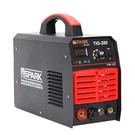
Now, let's talk about the chargers and starters we offer. We have a great range of products that can help you keep your batteries in top condition. Check out our Multifunctional Charger with Charging State. This charger is really cool because it shows you the charging state of the battery. You can easily see how much charge the battery has and when it's fully charged. It's a great way to make sure you're not over - charging or under - charging your battery.
Our 6V/12V/24V Battery Charger is another versatile option. It can handle different types of batteries with different voltage requirements. Whether you have a small 6V battery for a toy or a large 24V battery for an industrial machine, this charger has got you covered.
And if you're on the go and need a portable option, our Portable Charger with Handle is perfect. It's easy to carry around, and you can use it to charge your battery wherever you are.
So, how do you know if your battery needs charging? There are a few signs to look out for. If your vehicle is having trouble starting, that's a big red flag. It could mean that the battery is low on charge. You might also notice that your lights are dimmer than usual or that your electronics are not working as well as they should. These are all signs that the battery might need a boost.
When you're charging your battery, it's important to follow the instructions that come with your charger and starter. Different chargers have different settings, and using the wrong setting can damage your battery. Make sure you connect the charger correctly, with the positive and negative terminals matching up.


In conclusion, the frequency of charging a battery with a charger and starter depends on a lot of things, like the type of battery, its capacity, and the environment. By keeping an eye on your battery's charge and using the right charger for the job, you can extend the life of your battery and keep it working well.
If you're in the market for a charger and starter, or if you have any questions about battery charging, don't hesitate to get in touch. We're here to help you find the best solution for your needs. Whether you're a DIY enthusiast, a professional mechanic, or an industrial user, we've got the products and the knowledge to support you.
References
- Battery University: A great resource for all things battery - related, including charging frequencies and battery care.
- Manufacturer's manuals for chargers and starters, which provide specific instructions on charging different types of batteries.