


Hey there! As a supplier of MIG Flux Wire, I've been getting a lot of questions lately about the environmental impacts of using this product. So, I thought I'd sit down and write a blog post to share what I know. In this post, I'll break down the environmental pros and cons of MIG Flux Wire, and give you some tips on how to use it more sustainably. Let's dive in!
What is MIG Flux Wire?
Before we talk about the environmental impacts, let's quickly go over what MIG Flux Wire is. MIG stands for Metal Inert Gas, and it's a type of welding process. MIG Flux Wire is a consumable electrode that's used in MIG welding. It's a tubular wire filled with flux, which helps to protect the weld from contaminants in the air. You can check out our MIG Flux Wire on our website for more details.
The Good: Positive Environmental Aspects
Energy Efficiency
One of the good things about MIG Flux Wire is its energy efficiency. Compared to some other welding methods, MIG welding with flux wire can be faster. This means that you can complete welding jobs in less time, which in turn uses less energy. For example, if you're working on a large project, using MIG Flux Wire can help you get the job done quicker and reduce the overall energy consumption of the project.
Less Waste Generation
MIG Flux Wire is designed to be efficient in terms of material usage. When you use it, there's less spatter compared to some other welding processes. Spatter is the small bits of molten metal that fly off during welding, and it usually ends up as waste. With less spatter, you're generating less waste material. This is not only good for the environment but also saves you money on cleaning up and disposing of the waste.
The Bad: Negative Environmental Impacts
Air Pollution
One of the biggest environmental concerns when using MIG Flux Wire is air pollution. During the welding process, the flux in the wire breaks down and releases fumes. These fumes can contain a variety of harmful substances, such as metal oxides, ozone, and nitrogen oxides. Metal oxides can be particularly dangerous if inhaled, as they can cause respiratory problems and other health issues. Ozone and nitrogen oxides are also pollutants that can contribute to smog and acid rain.
Waste Disposal
Another issue is the disposal of used MIG Flux Wire and the slag that's produced during welding. The slag is a by - product that forms on top of the weld and needs to be removed. Both the used wire and the slag need to be disposed of properly. If they're not, they can end up in landfills, where the metals and other substances in them can leach into the soil and groundwater, causing contamination.
How to Minimize the Environmental Impact
Ventilation
To reduce the air pollution caused by MIG Flux Wire, proper ventilation is crucial. Make sure that your welding area is well - ventilated. You can use exhaust fans or fume extractors to remove the fumes from the air. This not only protects the environment but also the health of the welders.
Recycling
When it comes to waste disposal, recycling is a great option. Many of the metals in the used MIG Flux Wire and slag can be recycled. Look for recycling facilities in your area that accept welding waste. By recycling, you're reducing the amount of waste that goes to landfills and conserving natural resources.


Using High - Quality Products
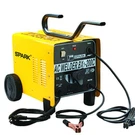
Using high - quality MIG Flux Wire can also make a difference. Higher - quality wires often produce less fumes and spatter. So, it's worth investing in a good product. You can pair our Powerful MIG Welding Machine with our high - quality MIG Flux Wire for an optimal welding experience.
Case Studies
Let's take a look at a couple of case studies to see how these environmental impacts play out in real - world scenarios.
Small - Scale Welding Shop
A small - scale welding shop in a local community was using MIG Flux Wire without proper ventilation. The fumes were causing problems for the welders and also contributing to air pollution in the area. After implementing a fume extraction system, the air quality in the shop improved significantly. The welders reported fewer health issues, and the overall environmental impact of the shop's operations was reduced.
Large - Scale Construction Project
On a large - scale construction project, the contractors were generating a lot of welding waste. They decided to start recycling the used MIG Flux Wire and slag. By doing so, they were able to reduce the amount of waste going to landfills and also save on waste disposal costs. They also noticed that using high - quality flux wire reduced the amount of fumes and spatter, making the work environment safer and more efficient.
Conclusion
In conclusion, using MIG Flux Wire has both positive and negative environmental impacts. On one hand, it can be energy - efficient and generate less waste compared to some other welding methods. On the other hand, it can cause air pollution and pose challenges in waste disposal. However, by taking steps such as proper ventilation, recycling, and using high - quality products, we can minimize the negative impacts and make the most of the positive aspects.
If you're interested in purchasing our MIG Flux Wire or learning more about our Family Use Popular Transformer MIG Welding Machine, feel free to reach out. We're always happy to answer your questions and help you with your welding needs. Whether you're a professional welder or a DIY enthusiast, we've got the products and expertise to support you. Let's work together to make welding more sustainable!
References
- American Welding Society. (2020). Welding Fume Control Guidelines.
- Environmental Protection Agency. (2021). Waste Management Best Practices for the Welding Industry.