


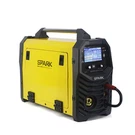

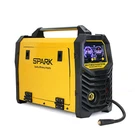
In the dynamic world of metalworking and fabrication, the choice of cutting equipment can significantly impact the efficiency, productivity, and overall success of a small - scale workshop. As a reliable supplier of Three Phase Cutting Machines, I am often asked whether these machines are suitable for small - scale workshops. In this blog, we will explore the key factors to consider when making this decision, weighing the advantages and potential drawbacks to help you determine if a three - phase cutting machine is the right fit for your business.
Understanding Three - Phase Power
Before delving into the suitability of three - phase cutting machines for small - scale workshops, it's essential to understand the concept of three - phase power. Three - phase power is a type of electrical power distribution that consists of three alternating currents with a phase difference of 120 degrees between each phase. This system is commonly used in industrial and commercial applications due to its numerous advantages over single - phase power.
Three - phase power provides a more constant and balanced supply of electricity, resulting in smoother operation and less vibration in electrical motors. It also allows for higher power output and greater efficiency, making it ideal for heavy - duty equipment such as cutting machines. In contrast, Single Phase Cutting Machine typically operate on a single alternating current and are more commonly used in residential and light - commercial applications where lower power requirements are sufficient.


Advantages of Three - Phase Cutting Machines for Small - Scale Workshops
1. Higher Power and Performance
One of the primary advantages of three - phase cutting machines is their ability to deliver higher power and performance compared to single - phase machines. Three - phase power allows the cutting machine to operate at a higher voltage, which in turn increases the cutting capacity and speed. This means that small - scale workshops can tackle more challenging cutting tasks, such as thick metal sheets and large workpieces, with greater ease and efficiency.
For example, a three - phase plasma cutting machine can cut through thicker metal at a faster rate than a single - phase machine, reducing production time and increasing productivity. This is particularly beneficial for small - scale workshops that need to meet tight deadlines and handle a variety of cutting jobs.
2. Improved Efficiency and Energy Savings
Three - phase cutting machines are generally more energy - efficient than their single - phase counterparts. The balanced power supply of three - phase electricity reduces energy losses and ensures that the machine operates at its optimal efficiency. This not only helps to lower energy costs but also reduces the environmental impact of the workshop.
In addition, the higher efficiency of three - phase cutting machines can lead to reduced wear and tear on the equipment, resulting in lower maintenance costs and longer equipment lifespan. This is a significant advantage for small - scale workshops that may have limited budgets for equipment replacement and maintenance.
3. Greater Stability and Reliability
The balanced nature of three - phase power provides greater stability and reliability to cutting machines. Three - phase motors are less likely to experience voltage fluctuations and power surges, which can cause damage to the equipment and disrupt production. This means that small - scale workshops can rely on their three - phase cutting machines to operate consistently and without interruption, minimizing downtime and maximizing productivity.
Furthermore, three - phase cutting machines are often built with more robust components and advanced technology, making them more durable and resistant to wear and tear. This ensures that the machine can withstand the rigors of daily use in a small - scale workshop environment.
4. Compatibility with Heavy - Duty Accessories
Three - phase cutting machines are designed to handle heavy - duty accessories and attachments, such as high - pressure gas systems and automated cutting tables. This allows small - scale workshops to expand their capabilities and offer a wider range of cutting services to their customers.
For instance, a small - scale workshop can use a three - phase cutting machine with an automated cutting table to achieve precise and repeatable cuts, improving the quality of their products and increasing customer satisfaction. Additionally, the compatibility with high - pressure gas systems enables the use of advanced cutting techniques, such as oxygen - fuel cutting and plasma cutting, for a more versatile cutting experience.
Potential Drawbacks of Three - Phase Cutting Machines for Small - Scale Workshops
1. Higher Initial Investment
One of the main drawbacks of three - phase cutting machines is their higher initial investment compared to single - phase machines. Three - phase power systems require specialized electrical infrastructure, including transformers and three - phase outlets, which can be expensive to install. Additionally, three - phase cutting machines themselves are often more costly due to their higher power and performance capabilities.
For small - scale workshops with limited budgets, the higher initial investment may be a significant barrier to purchasing a three - phase cutting machine. However, it's important to consider the long - term benefits and cost savings that can be achieved through increased productivity and efficiency.
2. Limited Availability of Three - Phase Power
In some areas, three - phase power may not be readily available or may require significant upgrades to the existing electrical infrastructure. This can pose a challenge for small - scale workshops located in remote or rural areas, where access to three - phase power may be limited or expensive.
Before investing in a three - phase cutting machine, it's essential to consult with your local electrical utility company to determine the availability and feasibility of three - phase power at your workshop location. If three - phase power is not available, you may need to consider alternative options, such as Single Phase Cutting Machine or High Duty Cycle Inverter Cutting Machine that can operate on single - phase power.
3. Complex Installation and Maintenance
Three - phase cutting machines require more complex installation and maintenance procedures compared to single - phase machines. The electrical connections and wiring for three - phase power systems are more intricate, and it's important to ensure that the installation is performed by a qualified electrician to comply with safety standards.
In addition, the maintenance of three - phase cutting machines may require specialized knowledge and skills, as the electrical components and systems are more complex. This may result in higher maintenance costs and longer downtime for repairs. Small - scale workshops should consider the availability of skilled technicians and the cost of maintenance when deciding whether to invest in a three - phase cutting machine.
Making the Right Decision for Your Small - Scale Workshop
When deciding whether a three - phase cutting machine is suitable for your small - scale workshop, it's important to consider your specific cutting requirements, budget, and available resources. Here are some key factors to consider:
1. Cutting Requirements
Assess the type and thickness of the materials you typically work with, as well as the volume of cutting tasks you need to perform. If you frequently work with thick metal sheets or large workpieces, a three - phase cutting machine may be necessary to achieve the required cutting capacity and speed.
2. Budget
Determine your budget for purchasing and maintaining cutting equipment. While three - phase cutting machines may have a higher initial investment, they can offer long - term cost savings through increased productivity and efficiency. Consider the potential return on investment when making your decision.
3. Electrical Infrastructure
Evaluate the availability and suitability of three - phase power at your workshop location. Consult with your local electrical utility company to determine the feasibility of installing three - phase power and the associated costs. If three - phase power is not available, explore alternative options that can meet your cutting requirements.
4. Skill and Resources
Consider the technical skills and resources available in your workshop. Three - phase cutting machines require more complex installation and maintenance procedures, so it's important to ensure that you have access to qualified technicians or the willingness to invest in training for your staff.
Conclusion
In conclusion, three - phase cutting machines can offer significant advantages for small - scale workshops, including higher power, improved efficiency, greater stability, and compatibility with heavy - duty accessories. However, they also come with some potential drawbacks, such as higher initial investment, limited availability of three - phase power, and complex installation and maintenance.
Ultimately, the decision of whether a three - phase cutting machine is suitable for your small - scale workshop depends on your specific cutting requirements, budget, and available resources. By carefully considering these factors and weighing the pros and cons, you can make an informed decision that will help to enhance the productivity and competitiveness of your workshop.
If you are interested in learning more about our Three Phase Cutting Machines or have any questions about which machine is right for your workshop, please feel free to reach out. We are here to assist you in making the best choice for your business needs. Contact us today to start the conversation and explore how our cutting - edge equipment can take your workshop to the next level.
References
- "Industrial Electrical Systems Handbook." McGraw - Hill Professional.
- "Cutting Technology: Principles and Applications." Marcel Dekker.