

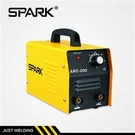



Hey there! As a supplier of TIG welding machines, I've seen my fair share of issues, and one of the most common problems welders face is insufficient penetration in welds. It can be super frustrating, but don't worry, I'm here to walk you through how to troubleshoot this issue step by step.
Understanding the Basics of TIG Welding
Before we dive into troubleshooting, let's quickly go over what TIG welding is all about. TIG, or Tungsten Inert Gas welding, is a process that uses a non - consumable tungsten electrode to produce the weld. An inert gas, like argon, is used to protect the weld area from atmospheric contamination. This results in high - quality, clean welds, but it also requires a bit of skill and the right settings.
Possible Causes of Insufficient Penetration
There are several factors that can lead to insufficient penetration in TIG welds. Let's break them down:
1. Incorrect Amperage
The amperage setting on your TIG welding machine is crucial. If the amperage is too low, there won't be enough heat to melt the base metal properly, resulting in shallow welds. On the other hand, if it's too high, you might end up with burn - through or other issues.
To check if the amperage is the problem, start by referring to the welding chart for the type and thickness of the metal you're working with. Most TIG welding machines have a recommended amperage range for different materials and thicknesses. For example, when welding thin stainless steel, you'll need a lower amperage compared to thicker aluminum.
Adjust the amperage gradually and make test welds on scrap pieces of the same metal. Observe the penetration and the overall quality of the weld. If the penetration improves with increased amperage, you've likely found the issue.
2. Improper Electrode Preparation
The tungsten electrode plays a key role in TIG welding. If it's not prepared correctly, it can affect the arc stability and penetration. A dull or contaminated electrode won't be able to produce a concentrated arc, leading to poor penetration.
To prepare the electrode properly, use a dedicated tungsten grinder. Grind the electrode to a sharp point at the correct angle (usually around 30 - 45 degrees for most applications). Make sure to clean the electrode regularly to remove any contaminants. If the electrode becomes overheated or contaminated during welding, stop and replace it.


3. Gas Flow Issues
The shielding gas is essential for protecting the weld area and ensuring proper penetration. If the gas flow rate is too low, the weld will be exposed to the atmosphere, causing oxidation and poor penetration. If it's too high, it can create turbulence and disrupt the arc.
Check the gas flow meter on your TIG welding machine. The recommended gas flow rate usually ranges from 10 - 20 cubic feet per hour (CFH), depending on the application. If the flow rate is off, adjust the regulator accordingly. Also, make sure there are no leaks in the gas hose or connections. You can use a soapy water solution to check for leaks; if you see bubbles forming, there's a leak that needs to be fixed.
4. Welding Speed
Welding too fast can also result in insufficient penetration. When you move the torch too quickly, the heat doesn't have enough time to penetrate the base metal. On the other hand, welding too slowly can cause excessive heat input and potential burn - through.
Find the right balance in your welding speed. It might take some practice, but start by making test welds at different speeds. Watch the weld pool as you weld; it should be a consistent size and shape, and the metal should be melting evenly.
5. Torch Angle
The angle at which you hold the TIG torch can have a significant impact on penetration. If the torch is held at too steep an angle, the arc won't be directed into the base metal effectively, resulting in shallow welds. A flatter angle can help improve penetration.
A good rule of thumb is to hold the torch at an angle of around 10 - 15 degrees from vertical. This allows the arc to penetrate the base metal more effectively. Practice holding the torch at the correct angle and make test welds to see the difference it makes.
Troubleshooting the TIG Welding Machine Itself
Sometimes, the problem might lie within the TIG welding machine itself. Here are some things to check:
1. Machine Malfunctions
If you suspect that your TIG welding machine is malfunctioning, start by checking the power supply. Make sure the machine is properly plugged in and that the circuit breaker hasn't tripped. Also, check for any loose connections inside the machine.
If the machine has a digital display, look for any error codes. Refer to the user manual to understand what the error codes mean and how to fix them. Some common issues could be a faulty transformer, a bad capacitor, or a problem with the control board. If you're not comfortable troubleshooting electrical components, it's best to contact a professional technician.
2. Worn - Out Parts
Over time, some parts of the TIG welding machine can wear out. The contact tip, for example, can become worn or damaged, affecting the electrical connection and the quality of the arc. Check the contact tip regularly and replace it if it shows signs of wear.
Other parts that might need replacement include the gas valve, the foot pedal (if your machine has one), and the cables. A frayed or damaged cable can cause voltage drops and affect the performance of the machine.
Using the Right TIG Welding Machine
Choosing the right TIG welding machine for your application is also important. We offer a range of TIG welding machines that can help you achieve better penetration and overall weld quality.
If you're looking for a reliable DC Pulse TIG Welding Machine, check out DC Pulse TIG Welding Machine. It offers precise control over the welding process, allowing you to adjust the pulse frequency and amplitude for better penetration and bead appearance.
For welding aluminum, our AC/DC TIG for Welding Aluminium is a great choice. It can switch between AC and DC modes, which is essential for welding aluminum effectively.
And if you're looking for a popular TIG welding machine with a plastic panel design, take a look at Plastic Panel Design Popular TIG Welding Machine. It's user - friendly and offers a great balance of performance and affordability.
Conclusion
Insufficient penetration in TIG welds can be a frustrating problem, but with the right troubleshooting steps, you can identify and fix the issue. Remember to check the amperage, electrode preparation, gas flow, welding speed, and torch angle. Also, keep an eye on the TIG welding machine itself for any malfunctions or worn - out parts.
If you're still having trouble or if you're looking to upgrade your TIG welding machine, don't hesitate to contact us. We're here to help you find the best solution for your welding needs. Whether you're a professional welder or a hobbyist, we've got the expertise and the products to support you. Let's start a conversation and see how we can work together to improve your welding results.
References
- Welding Handbook, American Welding Society
- TIG Welding Manuals from leading manufacturers