



Hey there! As a supplier of Three PCB MIG Welding Machines, I often get asked if these machines can be used for food machinery welding. Well, let's dig into this topic and find out.
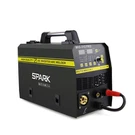
First off, let's talk a bit about what a Three PCB MIG Welding Machine is. MIG stands for Metal Inert Gas, and it's a type of welding process that uses a continuous solid wire electrode heated and fed into the weld pool from a welding gun. The Three PCB part means the machine has three printed circuit boards, which usually provide better control, stability, and performance compared to machines with fewer PCBs.
Now, when it comes to food machinery welding, there are some strict requirements. Food machinery is in direct contact with food, so the welding process needs to meet certain hygiene and safety standards. The welds should be smooth, free of cracks, and not release any harmful substances that could contaminate the food.
One of the key advantages of using a Three PCB MIG Welding Machine for food machinery welding is its precision. With three PCBs, the machine can better control the welding parameters such as voltage, current, and wire feed speed. This precision ensures that the welds are consistent and of high quality. For example, in the production of food conveyors, precise welds are crucial to ensure the smooth movement of the conveyor belts and to prevent any food from getting stuck or contaminated.
Another benefit is the versatility of the Three PCB MIG Welding Machine. It can weld different types of metals commonly used in food machinery, such as stainless steel. Stainless steel is a popular choice for food machinery because it's corrosion-resistant and easy to clean. Our machine can handle stainless steel welding effectively, creating strong and durable joints that can withstand the harsh environment of food processing plants.
However, there are also some challenges to consider. One of the main concerns is the potential for spatter during the welding process. Spatter can create rough surfaces on the welds, which can be difficult to clean and may harbor bacteria. But with a well - tuned Three PCB MIG Welding Machine, the amount of spatter can be minimized. By adjusting the welding parameters correctly, we can achieve a cleaner weld with less spatter.
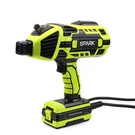
Now, let's talk about some of our other welding machines that might also be relevant to food machinery welding. We have the 5 Kgs Wire Welding Machine. This machine is great for smaller - scale food machinery welding projects. It's portable and easy to use, and the 5 - kg wire capacity means you can work for a longer time without having to change the wire frequently.
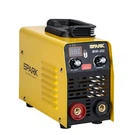
The Family Use Popular Transformer MIG Welding Machine is another option. Although it's more commonly used for family - related welding tasks, it can also be used for some light - duty food machinery repairs or small - scale production. It's affordable and easy to operate, making it a good choice for those on a budget.
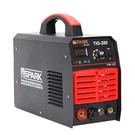
And then there's the Single PCB MIG Welding Machine with Separate Torch. This machine is a bit more basic compared to the Three PCB MIG Welding Machine, but it can still get the job done for simple food machinery welding tasks. It's a cost - effective option for those who don't need the advanced features of the Three PCB machine.
In conclusion, a Three PCB MIG Welding Machine can definitely be used for food machinery welding. It offers precision, versatility, and the ability to produce high - quality welds that meet the strict requirements of the food industry. However, it's important to set up the machine correctly and follow proper welding procedures to ensure the best results.
If you're in the market for a welding machine for your food machinery production or repair needs, I'd love to have a chat with you. Whether you're interested in our Three PCB MIG Welding Machine or any of our other products, we can discuss your specific requirements and find the best solution for you. Feel free to reach out and start a conversation about your welding needs.


References
- Welding Handbook, American Welding Society
- Food Machinery Design and Hygiene Standards, International Food Standards Organization