




Can a MIG welding machine be used for robotic welding? This is a question that many in the welding industry often ponder. As a MIG welding machine supplier, I have had the opportunity to explore this topic in depth and share some insights based on my experiences and industry knowledge.
Understanding MIG Welding Machines
MIG (Metal Inert Gas) welding machines are widely used in various welding applications due to their versatility and efficiency. These machines work by feeding a continuous solid wire electrode through a welding gun, which is then melted by an electric arc to join two metal pieces together. The process is shielded by an inert gas, typically argon or a mixture of argon and carbon dioxide, to prevent oxidation and ensure a clean weld.
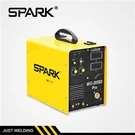
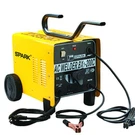
There are different types of MIG welding machines available in the market, each designed to meet specific welding requirements. For instance, the Family Use Popular Transformer MIG Welding Machine is a great option for home users and small - scale welding projects. It offers a reliable and cost - effective solution for those who need to perform occasional welding tasks. On the other hand, the Dual Pulse Welding Machine is more advanced and suitable for professional welders. It provides better control over the welding process, allowing for high - quality welds on a variety of metals.
Robotic Welding: An Overview
Robotic welding has revolutionized the manufacturing industry in recent years. It involves the use of robots to perform welding tasks with high precision, repeatability, and speed. Robotic welding systems are programmed to follow a specific welding path, ensuring consistent weld quality across multiple workpieces. These systems are commonly used in large - scale manufacturing operations, such as automotive, aerospace, and heavy machinery industries.
The main advantages of robotic welding include increased productivity, improved weld quality, and reduced labor costs. Robots can work continuously without fatigue, and they can perform complex welding operations with a high degree of accuracy. Additionally, robotic welding can be integrated into automated production lines, further streamlining the manufacturing process.
Compatibility of MIG Welding Machines with Robotic Welding
The good news is that MIG welding machines can indeed be used for robotic welding. In fact, MIG welding is one of the most commonly used welding processes in robotic welding applications. There are several reasons for this compatibility:
1. Ease of Automation
MIG welding is a relatively straightforward process that can be easily automated. The continuous wire feed system of MIG welding machines makes it suitable for robotic operation. Robots can be programmed to control the wire feed speed, welding current, and voltage, ensuring consistent and high - quality welds.
2. Weld Quality
MIG welding produces high - quality welds with good penetration and a clean appearance. This is essential in robotic welding, where the quality of the welds directly affects the performance and durability of the final product. The ability to control the welding parameters precisely allows robots to achieve consistent weld quality, even on complex parts.
3. Versatility
MIG welding machines can be used to weld a wide range of metals, including carbon steel, stainless steel, and aluminum. This versatility makes them suitable for various robotic welding applications in different industries. Whether it's welding automotive parts, aerospace components, or industrial machinery, MIG welding machines can handle the job.
4. Cost - Effectiveness
Compared to some other welding processes, MIG welding is relatively cost - effective. The equipment is generally less expensive, and the consumables, such as MIG Flux Wire, are readily available at a reasonable cost. This makes it an attractive option for companies looking to implement robotic welding systems without breaking the bank.
Considerations for Using MIG Welding Machines in Robotic Welding
While MIG welding machines are compatible with robotic welding, there are some important considerations to keep in mind:
1. Welding Machine Selection
Not all MIG welding machines are suitable for robotic welding. When choosing a MIG welding machine for robotic applications, it's important to consider factors such as the welding current range, wire feed speed control, and compatibility with the robotic system. High - end MIG welding machines with advanced features, such as digital control and programmable settings, are often preferred for robotic welding.
2. Integration with the Robotic System
Proper integration of the MIG welding machine with the robotic system is crucial. This involves ensuring that the welding machine can communicate effectively with the robot controller. The robot needs to be able to control the welding parameters, such as current, voltage, and wire feed speed, accurately. Additionally, the physical connection between the welding gun and the robot arm needs to be secure and stable.
3. Welding Consumables
The choice of welding consumables, such as the wire and shielding gas, can significantly affect the performance of the MIG welding machine in robotic welding. It's important to select high - quality consumables that are compatible with the metal being welded and the welding process. For example, using the wrong type of wire can lead to poor weld quality, such as porosity or lack of fusion.
4. Maintenance and Support
Regular maintenance of the MIG welding machine and the robotic system is essential to ensure optimal performance. This includes cleaning the welding gun, checking the wire feed system, and inspecting the electrical connections. It's also important to have access to technical support in case of any issues or breakdowns.
Case Studies: Successful Implementation of MIG Welding Machines in Robotic Welding
To illustrate the effectiveness of using MIG welding machines in robotic welding, let's look at a few case studies:


Automotive Industry
In the automotive industry, MIG welding machines are widely used in robotic welding applications. For example, a major automotive manufacturer implemented a robotic MIG welding system to weld car body components. The system used high - end MIG welding machines with advanced control features. The robots were programmed to perform complex welding operations on different parts of the car body, such as the doors, hoods, and frames. The result was a significant increase in productivity, as well as improved weld quality and consistency.
Aerospace Industry
The aerospace industry also benefits from the use of MIG welding machines in robotic welding. A leading aerospace company used a robotic MIG welding system to weld aluminum components for aircraft. The MIG welding machines were selected for their ability to produce high - quality welds on aluminum with minimal distortion. The robotic system was able to perform precise welding operations on complex aerospace parts, ensuring the safety and reliability of the aircraft.
Conclusion
In conclusion, MIG welding machines can be effectively used for robotic welding. Their ease of automation, high weld quality, versatility, and cost - effectiveness make them a popular choice in robotic welding applications across various industries. However, it's important to carefully select the right MIG welding machine, ensure proper integration with the robotic system, choose the appropriate welding consumables, and maintain the equipment regularly.
If you are considering implementing a robotic welding system or upgrading your existing welding equipment, I encourage you to explore the possibilities of using MIG welding machines. As a MIG welding machine supplier, I am committed to providing high - quality products and professional support to help you achieve your welding goals. Whether you are a small - scale manufacturer or a large - scale industrial enterprise, we can work together to find the best MIG welding solution for your robotic welding needs. If you have any questions or would like to discuss your specific requirements, please feel free to reach out for a procurement negotiation.
References
- AWS Welding Handbook, American Welding Society
- "Robotic Welding Technology" by John Doe, Industrial Welding Journal
- "MIG Welding: Principles and Practices" by Jane Smith, Welding Magazine