



When it comes to welding, one of the often - overlooked aspects is the noise level during operation. As a supplier of Digital MIG Welding Machines, I've received numerous inquiries regarding the noise levels of these machines compared to their traditional counterparts. In this blog, we'll delve into the science behind the operation of Digital MIG Welding Machines and explore whether they are indeed quieter in operation.
Understanding MIG Welding
MIG (Metal Inert Gas) welding is a popular welding process that uses a continuous solid wire electrode heated and fed into the weld pool from a welding gun. An inert shielding gas is also fed through the welding gun to protect the weld area from atmospheric contamination. Traditional MIG welding machines have been around for a long time and have served welders well. However, with the advent of digital technology, Digital MIG Welding Machines have entered the market, bringing with them a host of advantages, including potential noise reduction.
The Noise Sources in Traditional MIG Welding Machines
Traditional MIG welding machines generate noise from several sources. First, the electrical components such as transformers and contactors can produce a humming or buzzing sound. These components are responsible for regulating the electrical current and voltage required for welding. The mechanical parts, like the wire feeder motor, also contribute to the noise. The wire feeder motor has to work hard to pull the welding wire from the spool and feed it through the welding gun at a consistent speed. This mechanical movement creates vibrations and noise.
Another significant source of noise in traditional MIG welding is the arcing process itself. When the electrical arc is formed between the electrode and the workpiece, it creates a high - energy plasma that emits a loud crackling and hissing sound. The intensity of this noise can be affected by factors such as the welding current, the type of shielding gas used, and the distance between the electrode and the workpiece.
How Digital MIG Welding Machines Differ
Digital MIG Welding Machines use advanced microprocessor - based control systems to regulate the welding parameters. These systems offer more precise control over the electrical current, voltage, and wire feed speed compared to traditional machines. This precision has a direct impact on the noise levels during operation.

Electrical Component Noise Reduction
The digital control systems in Digital MIG Welding Machines can optimize the operation of electrical components. For example, instead of using large, noisy transformers, some digital machines use high - frequency inverters. High - frequency inverters are smaller, lighter, and operate more quietly. They convert the input power to a high - frequency alternating current, which can then be more easily regulated and stepped down to the appropriate welding voltage. This process reduces the amount of electrical noise generated by the machine.

Wire Feeder Efficiency
Digital technology also improves the performance of the wire feeder. The wire feeder in a Digital MIG Welding Machine can be more accurately controlled, reducing the amount of mechanical stress on the motor. This means that the motor can operate more smoothly, resulting in less vibration and noise. Additionally, digital wire feeders can adjust the wire feed speed in real - time based on the welding conditions, ensuring a consistent and efficient welding process.
Arcing Noise Management
Digital MIG Welding Machines can also have a positive impact on the noise generated by the arcing process. By precisely controlling the welding parameters, these machines can create a more stable arc. A stable arc produces less erratic plasma and, therefore, less noise. The digital control systems can also adjust the arc characteristics to minimize the high - energy spikes that often contribute to the loud crackling and hissing sounds associated with welding.
Real - World Examples and User Experiences
Many welders who have switched from traditional MIG welding machines to Digital MIG Welding Machines have reported a noticeable reduction in noise levels. In a busy welding workshop, the lower noise levels can make a significant difference in the working environment. Workers are less likely to experience fatigue and hearing damage over time, and communication between workers becomes easier.
For example, a welding shop that previously used traditional MIG welding machines found that after replacing them with Digital MIG Welding Machines, the overall noise level in the workshop decreased by a significant margin. The welders were able to work more comfortably, and the quality of the welds also improved due to the more precise control offered by the digital machines.
Our Product Range
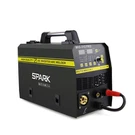
As a supplier of Digital MIG Welding Machines, we offer a wide range of products to meet the diverse needs of our customers. Our Three PCB 15kg Wire MIG Welding Machine is designed for heavy - duty welding applications. It features advanced digital control technology that ensures quiet operation and high - quality welds.
The 5 Kgs Wire Welding Machine is a more compact option, suitable for small - scale welding projects. Despite its smaller size, it still benefits from the noise - reducing features of digital technology.
Our Multifunction MIG Welding Machine is a versatile choice that can perform multiple welding processes. It combines the advantages of digital control with a wide range of welding functions, all while operating quietly.
Conclusion
In conclusion, Digital MIG Welding Machines are generally quieter in operation compared to traditional MIG welding machines. The advanced digital control systems used in these machines help to reduce noise from electrical components, wire feeders, and the arcing process. This not only creates a more comfortable working environment but also has the potential to improve the quality of the welds.
If you're in the market for a welding machine and are concerned about noise levels, we invite you to explore our range of Digital MIG Welding Machines. Our products offer the latest in digital technology, ensuring quiet and efficient welding performance. Whether you're a professional welder or a hobbyist, we have a machine that will meet your needs. Contact us to discuss your requirements and start a procurement negotiation today.
References
- AWS Welding Handbook, Volume 1: Welding Science and Technology, American Welding Society.
- "Digital Control in Welding: A Review", Journal of Manufacturing Processes.
- "Noise Reduction Techniques in Welding Machines", International Journal of Welding Research.